
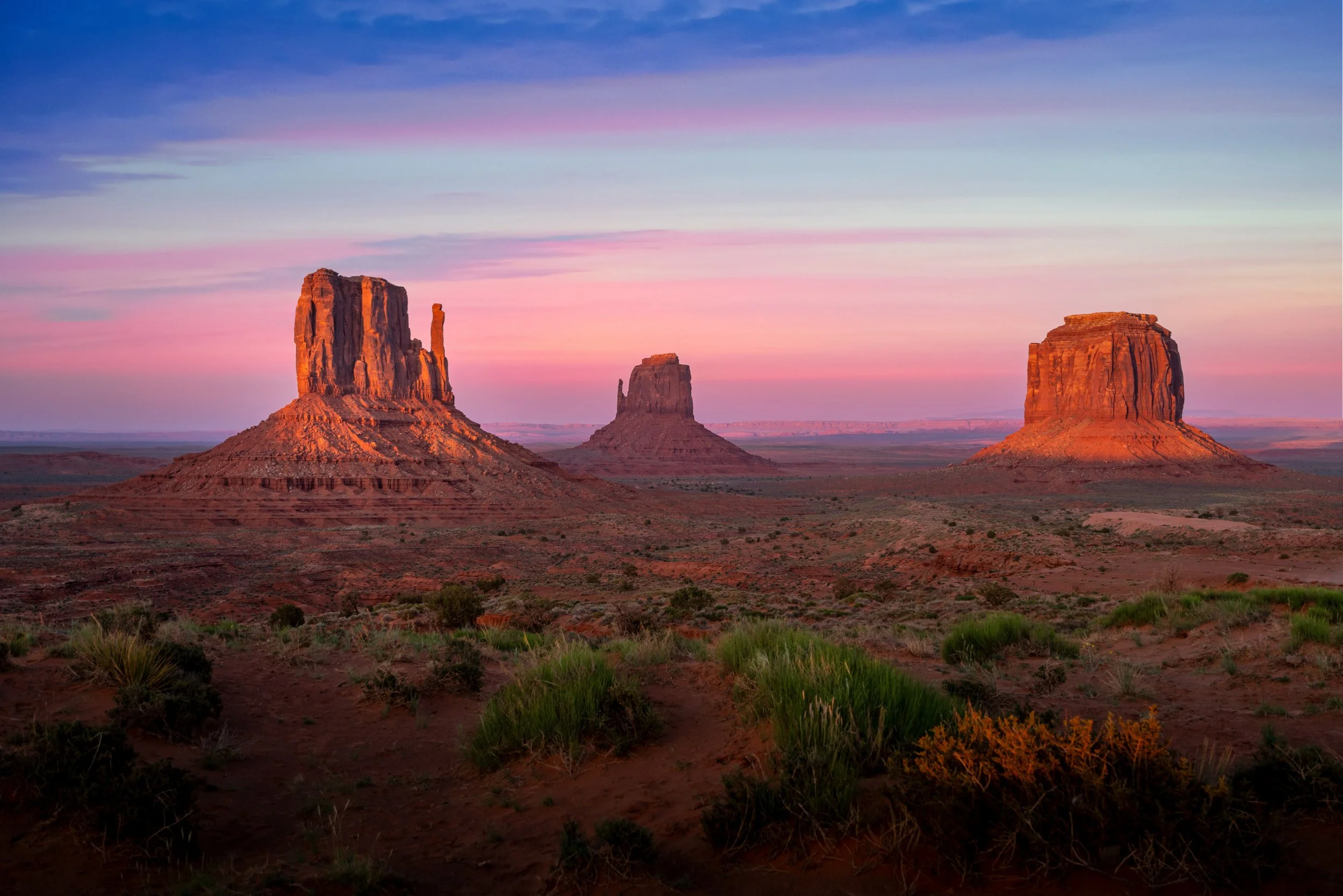
Arizona’s rich Indigenous history includes both ancient, pre-Columbian civilizations (such as the Hohokam, Mogollon, and Sinagua) and the 22 modern, federally recognized Native nations that trace their lineage to them. For a deep dive into the 22 sovereign nations residing in the state, visit the Arizona State Museum.
Arizona is home to 22 federally recognized Native American tribes, each with its own sovereign government, distinct culture, and lands. The largest of these is the Navajo Nation, while other prominent communities include the Hopi Tribe, Tohono O'odham Nation, and various Apache nations.
These 22 recognized nations are as follows:
Ak-Chin Indian Community | Cocopah Indian Tribe | Colorado River Indian Tribes | Fort McDowell Yavapai Nation | Fort Mojave Indian Tribe | Fort Yuma Quechan Tribe | Gila River Indian Community | Havasupai Tribe | Hopi Tribe | Hualapai Tribe | Kaibab Band of Paiute Indians | Navajo Nation | Pascua Yaqui Tribe | Pueblo of Zuni | Salt River Pima-Maricopa Indian Community | San Carlos Apache Tribe | San Juan Southern Paiute Tribe | Tohono O'odham Nation | Tonto Apache Tribe | White Mountain Apache Tribe | Yavapai-Apache Nation | Yavapai-Prescott Indian Tribe
While they’re not all going to be covered here, there are many resources available if you want to look into any existing tribes of today.
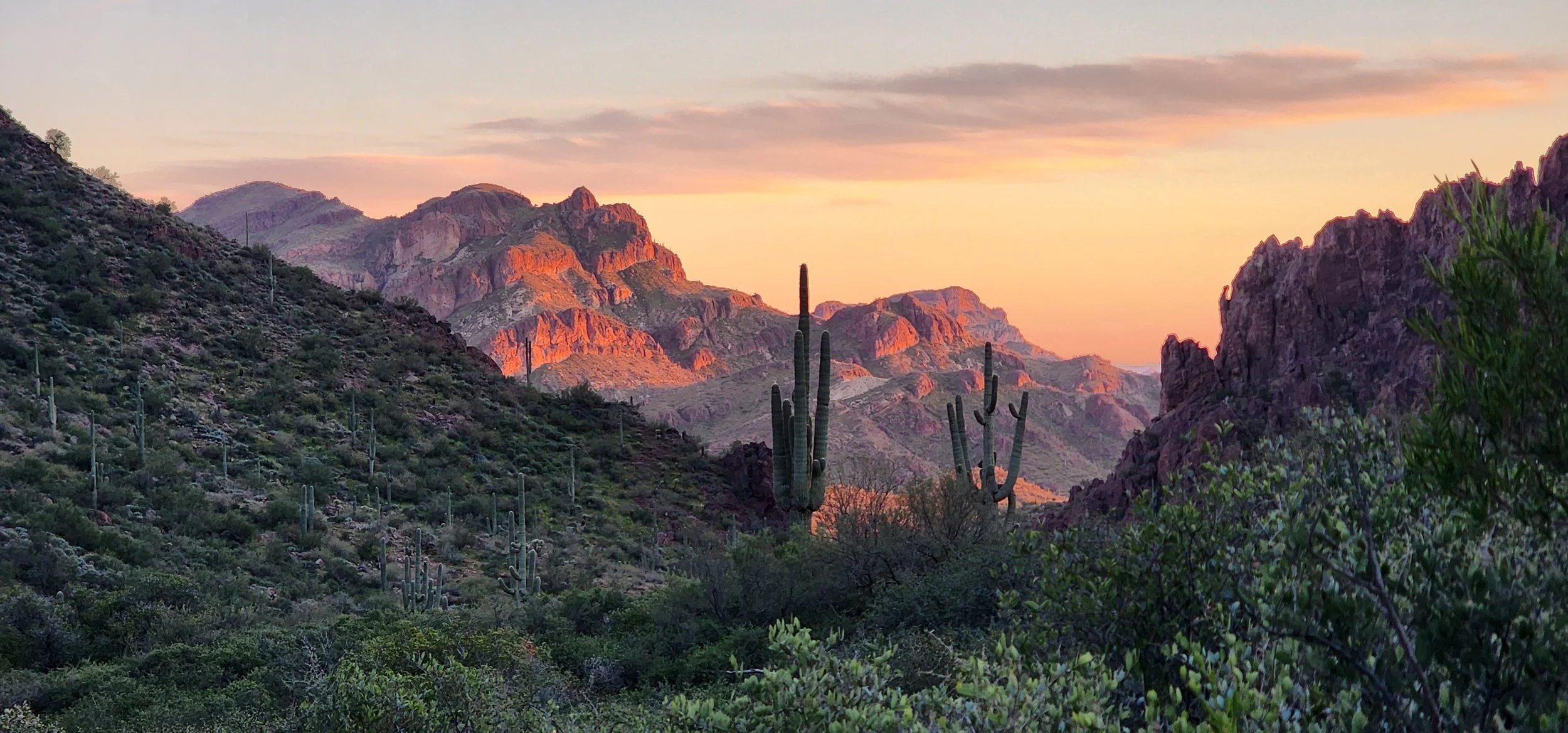
This will focus on the Superstition mountain area, as that’s where we’re hiking.
Ancestral Tribes
The Hohokam occupied much of central and southern Arizona between approximately 700 AD and 1400 AD. They developed extensive irrigation networks that allowed agriculture to flourish throughout the surrounding river valleys. Evidence of their presence can still be found throughout the region, including rock art panels and petroglyphs preserved at locations such as Hieroglyphic Canyon near the Superstition Mountains. Their engineering achievements and cultural influence played a major role in shaping the prehistoric history of the area.
The Salado culture emerged in the region around 1000 AD and established communities throughout central Arizona. They are particularly known for constructing cliff dwellings and masonry structures in protected canyon environments. Remains of Salado settlements can still be seen in areas such as Rogers Canyon within the Superstition Wilderness, providing insight into the lives of the people who inhabited the rugged landscape centuries ago.
Historical and Contemporary Tribes
Around the 1400s, the Akimel O'odham, often referred to historically as the Pima, became one of the prominent Indigenous groups associated with the region. The Superstition Mountains hold significant cultural, spiritual, and historical importance within Akimel O'odham traditions. Oral histories passed down through generations include stories connected to the mountains, including accounts of a great ancient flood. Early settlers reportedly heard stories describing the mountains as powerful and mysterious places, which contributed to the development of the name “Superstition Mountain.”
The Yavapai traditionally occupied large portions of central Arizona and were highly skilled hunter-gatherers who adapted to a variety of environments. They frequently traveled through the rugged terrain surrounding the Superstition Mountains, utilizing the area's natural resources for food, shelter, and seasonal movement. Throughout history, the Yavapai maintained a close connection to the region and often shared neighboring territories with Apache groups.
Western Apache groups, including the Tonto Apache, expanded into the region by the 1500s and became closely associated with the Superstition Mountains. By the nineteenth century, the mountains served as an important Apache homeland and defensive stronghold. The maze of steep canyons, rocky ridges, and hidden valleys provided natural protection and allowed Apache warriors to move through the landscape with remarkable efficiency. Conflicts between Apache groups and settlers during this period helped inspire many of the legends and stories connected to the Superstition Mountains, including those surrounding the famous Lost Dutchman Gold Mine.