Arizona Mountain Lions
Arizona’s wild landscapes are home to a wide variety of wildlife, including mountain lions. These large predators are an iconic part of the Southwest’s natural ecosystem. While they are rarely seen, knowing how they behave can help hikers and campers feel more prepared when exploring areas where they live. With basic awareness and respect for wildlife, outdoor recreation in Arizona can remain both enjoyable and safe.
For official wildlife information, you can refer to the Arizona Game and Fish Department: https://www.azgfd.com/species/mountain-lion/�
Mountain lions—also called cougars or pumas—are solitary carnivores found across many different environments in Arizona. Their range spans everything from desert canyons to mountainous forests. Individual animals may travel large distances, sometimes covering areas over 100 miles, and may occasionally move through public lands in search of prey such as deer and javelina.
Physical Features
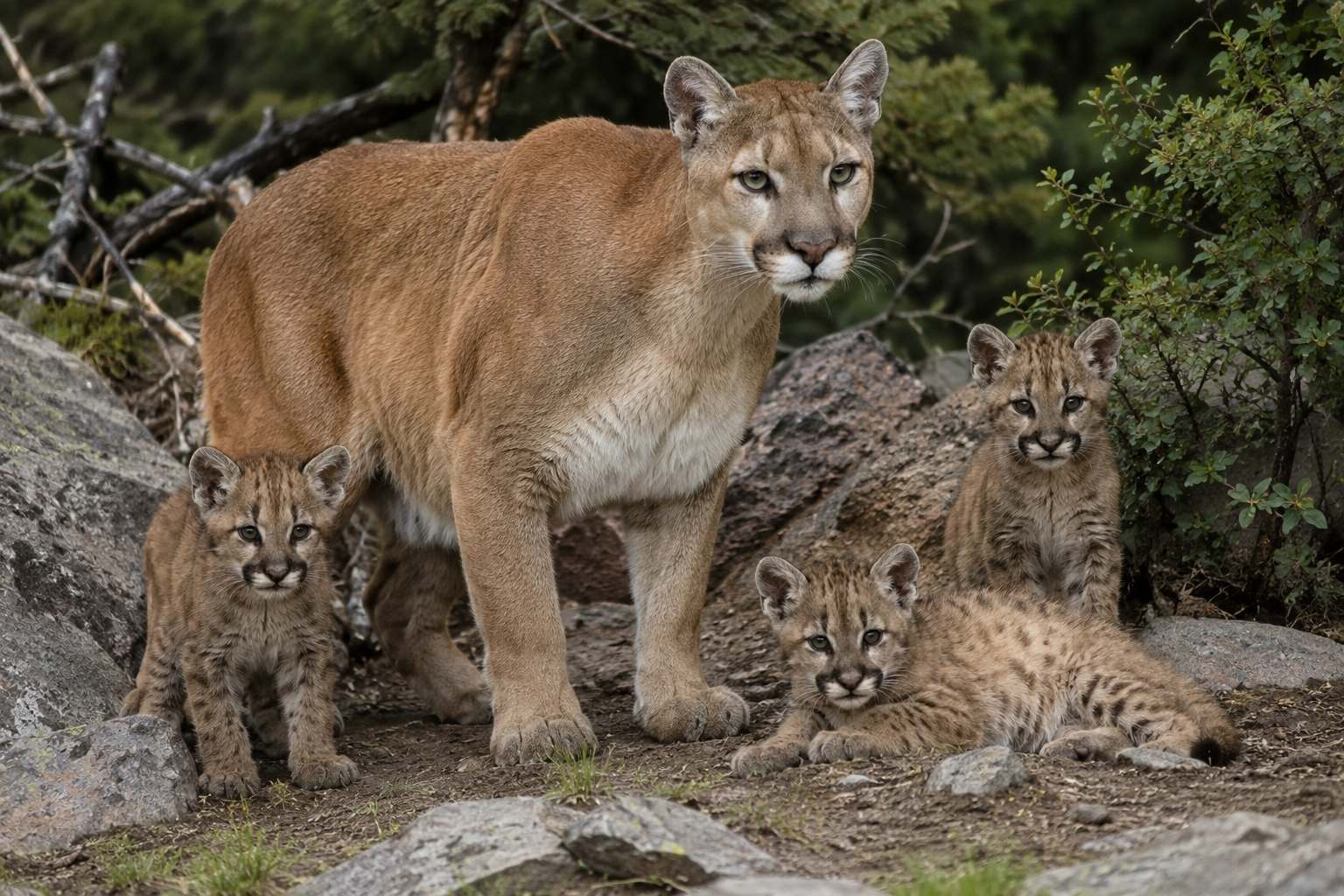
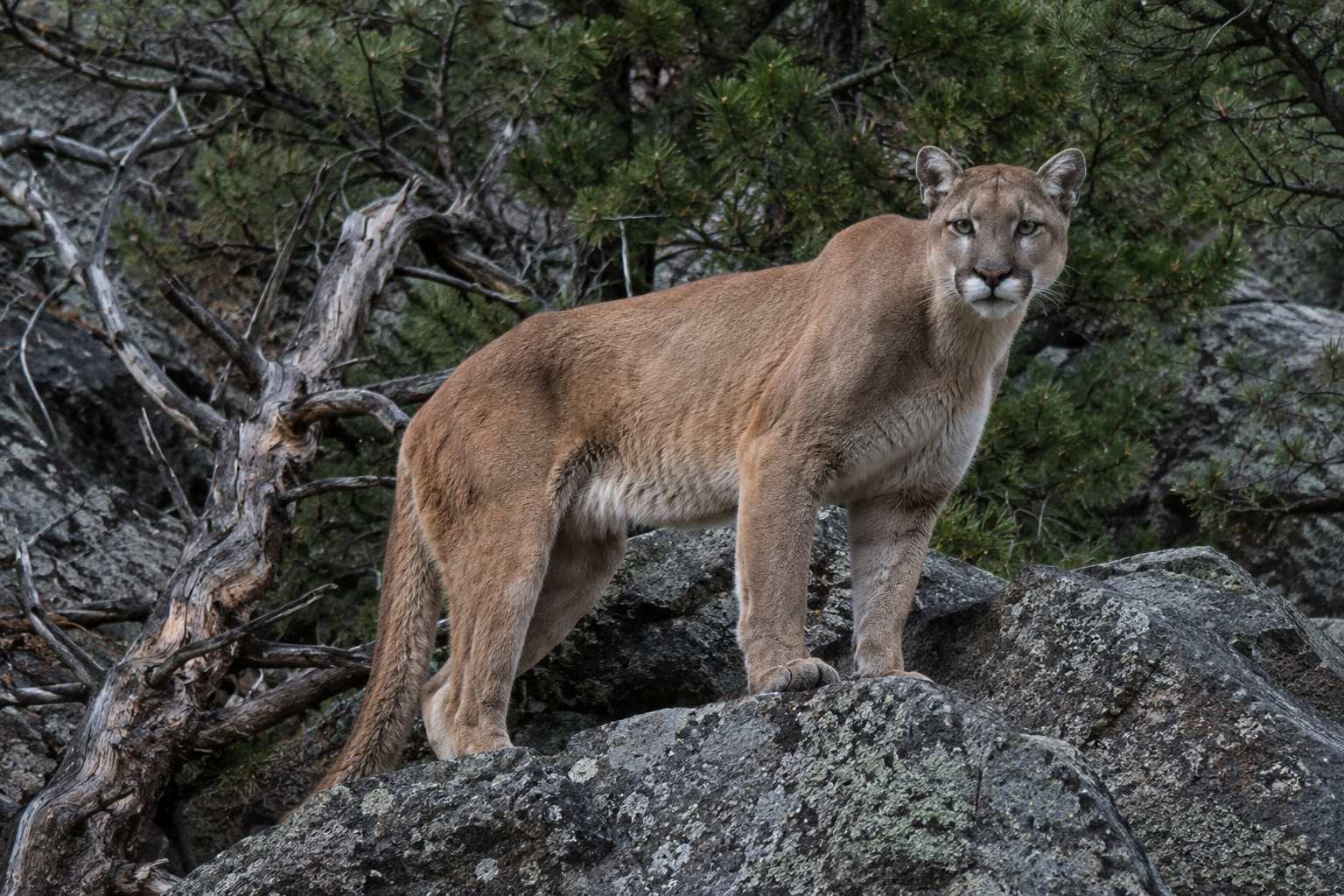
Mountain lions typically have a tan or light brown coat with a lighter underside. Their long tails help them maintain balance when running or leaping. Adults are usually comparable in size to a large dog, often measuring several feet in total body length including the tail. They are powerful predators with strong jaws and retractable claws designed for hunting.
Staying Safe in Mountain Lion Habitat
Encounters with mountain lions are uncommon, especially in busy recreation areas, but it is still important to understand basic safety practices when hiking or camping in remote regions.
Stay alert and make your presence known
Making noise while hiking helps reduce the chance of surprising wildlife. Mountain lions tend to avoid humans, so awareness and visibility are important. Early morning and late evening hours are when they are most active, so extra attention during these times is recommended.
Do not run if you see one
Standing your ground, maintaining eye contact, and appearing larger by raising your arms or standing tall can discourage approach. If the animal remains nearby, speaking loudly or shouting can help deter it.
Mountain Lion vs. Bobcat
It’s common for people to confuse mountain lions with bobcats, but there are clear differences.
Mountain lions are significantly larger, with a uniform tan coloration and a long, thick tail. Adults may weigh between roughly 75–150 pounds, especially males. Bobcats are much smaller, usually under 30 pounds, and have shorter tails with visible black markings. Their coats are often spotted or striped.
Young mountain lions can sometimes resemble bobcats because they may have faint markings when they are juveniles. However, their size, body shape, and tail length quickly make the difference clear as they mature.
Travel in groups when possible
Groups are less likely to be approached than individuals. When children are present, keeping them close and supervised is especially important.
Diet and Hunting Behavior
Mountain lions play an important ecological role in Arizona by helping regulate populations of large herbivores. Deer are their primary food source, though they may also hunt animals such as elk, javelina, and occasionally livestock. Smaller animals like rabbits and rodents may also be taken opportunistically.
They are stealth hunters that rely on surprise rather than endurance. Typically, they stalk quietly before launching a quick ambush using speed, strength, and precision.
Carry deterrents if appropriate
Non-lethal deterrents such as pepper spray can provide an added layer of protection in rare close encounters, allowing time to leave the area safely.
Closing Thoughts
Arizona offers an incredible range of outdoor experiences, from rugged hiking trails to vast desert scenery. Mountain lions are a natural part of these ecosystems, and while they are rarely encountered, understanding their behavior helps reduce risk and increase confidence in the outdoors.
With simple precautions and awareness, people can safely enjoy Arizona’s wilderness while respecting the wildlife that calls it home.