Wild Horses of Arizona: A Guide to the State's Free-Roaming Herds
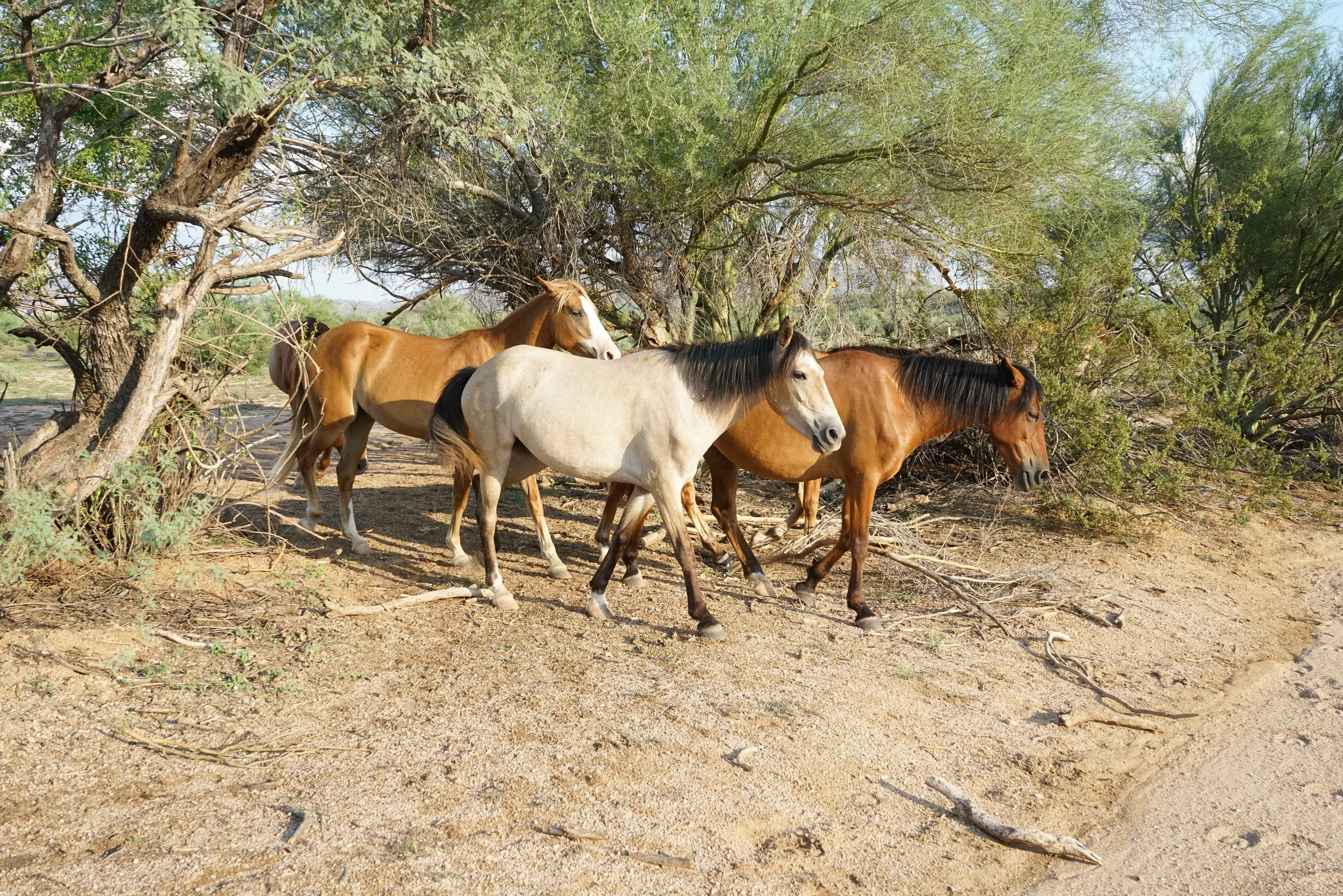
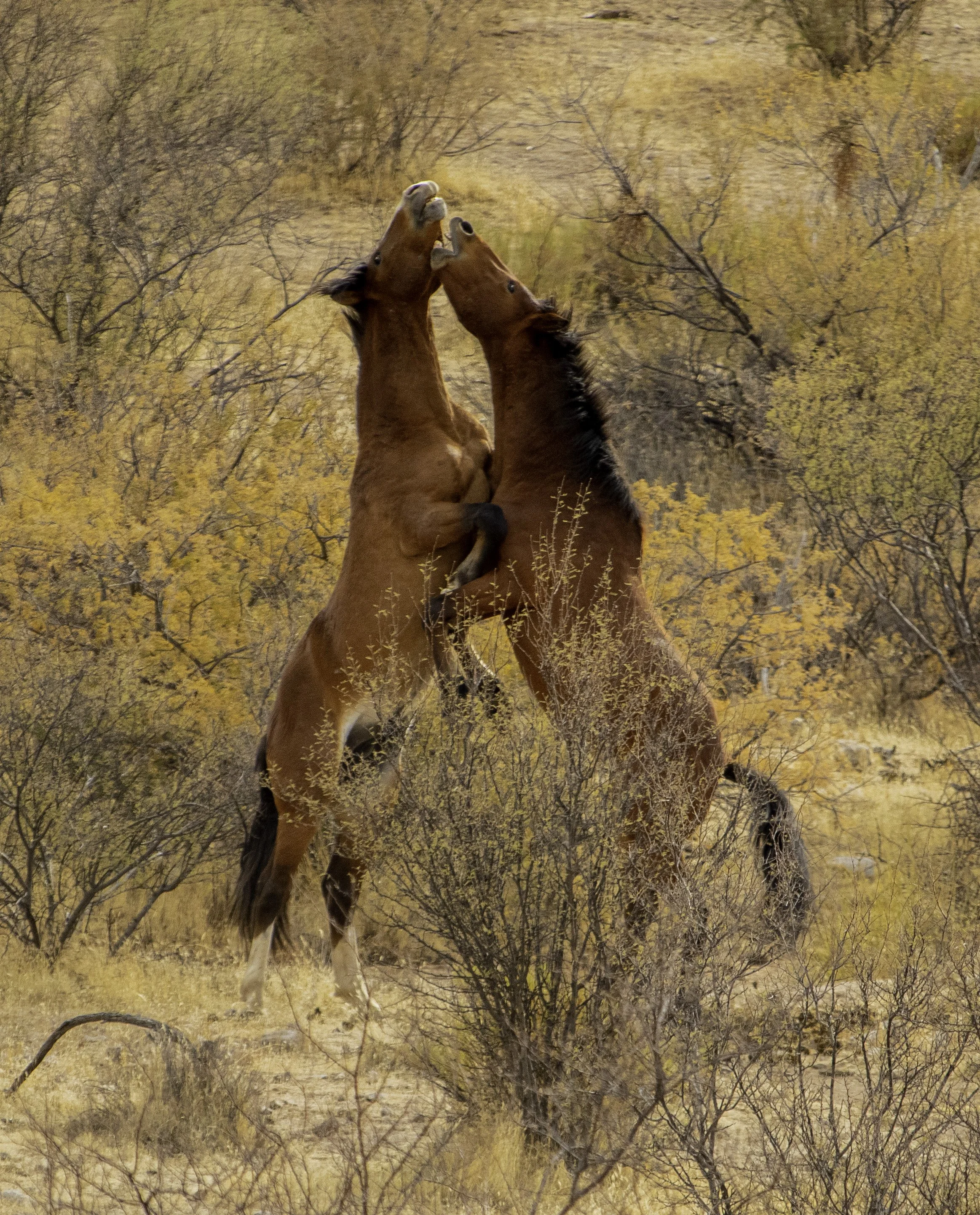
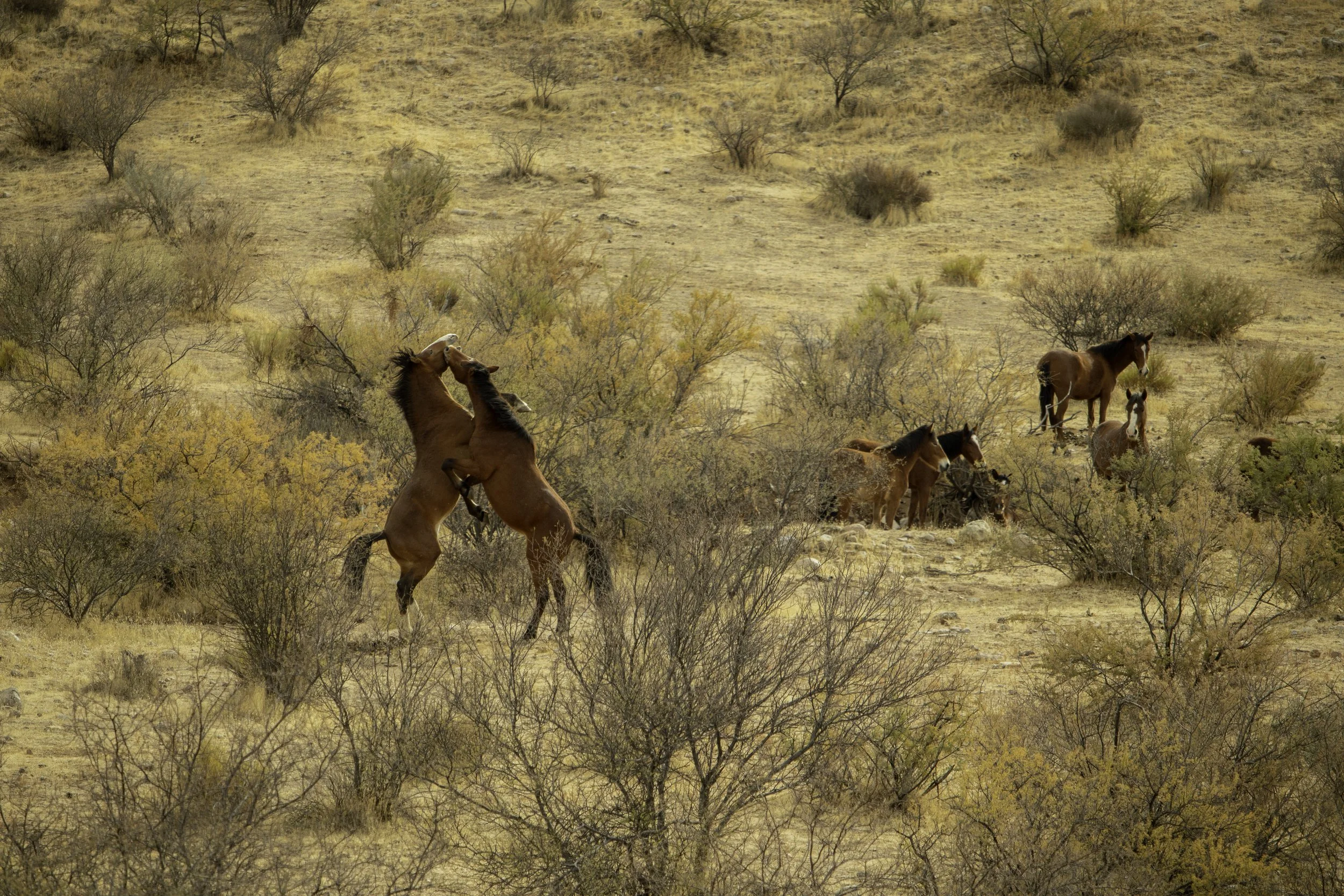
Arizona is home to some of the most recognizable free-roaming horses in the American West. From the forests of the Mogollon Rim to the deserts along the Colorado River, these horses have become symbols of freedom, history, and the rugged landscapes that define the state. While many people refer to them as "wild horses," some are descendants of domestic horses that escaped, were released, or were abandoned generations ago. Regardless of their origins, Arizona's horse herds have become an important part of the state's cultural and natural heritage.
Today, Arizona's free-roaming horses are managed through a combination of federal, state, tribal, and local programs. The Bureau of Land Management manages federally recognized herd areas in western Arizona, the U.S. Forest Service oversees the Heber Wild Horse Territory in eastern Arizona, and state law protects the Salt River horse herd. Additional horse populations roam tribal lands throughout northern Arizona, particularly within the Navajo Nation.
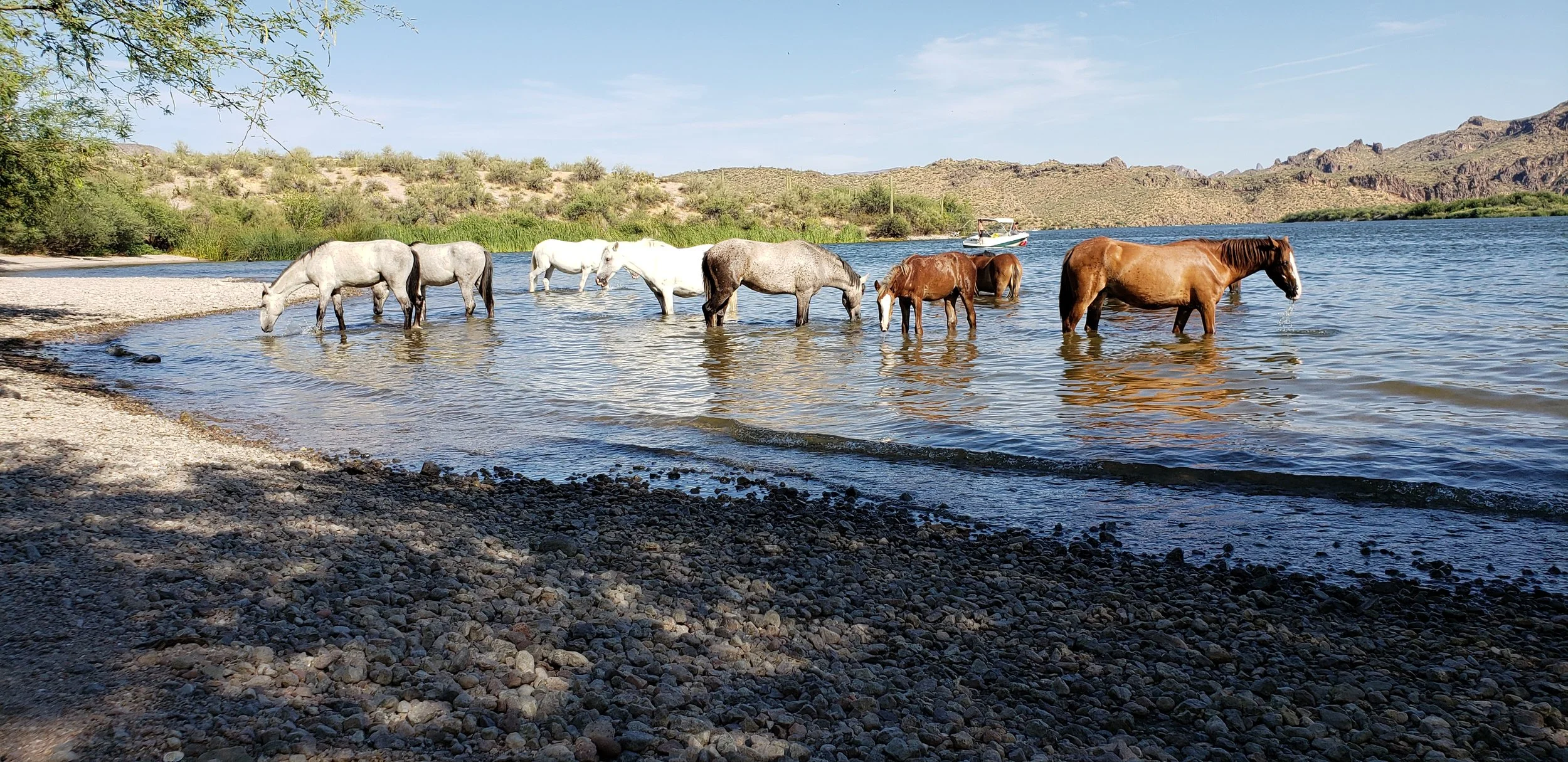
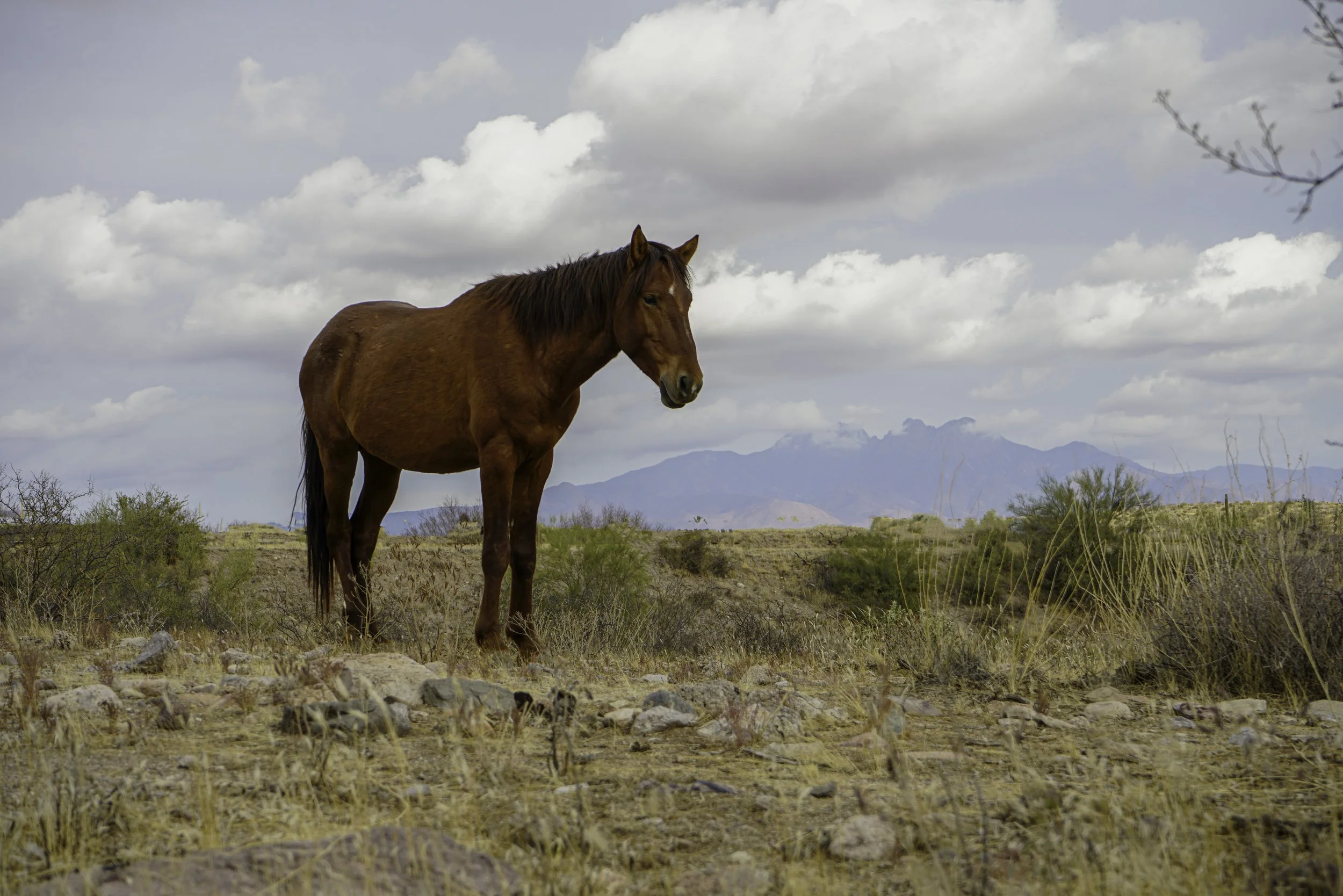
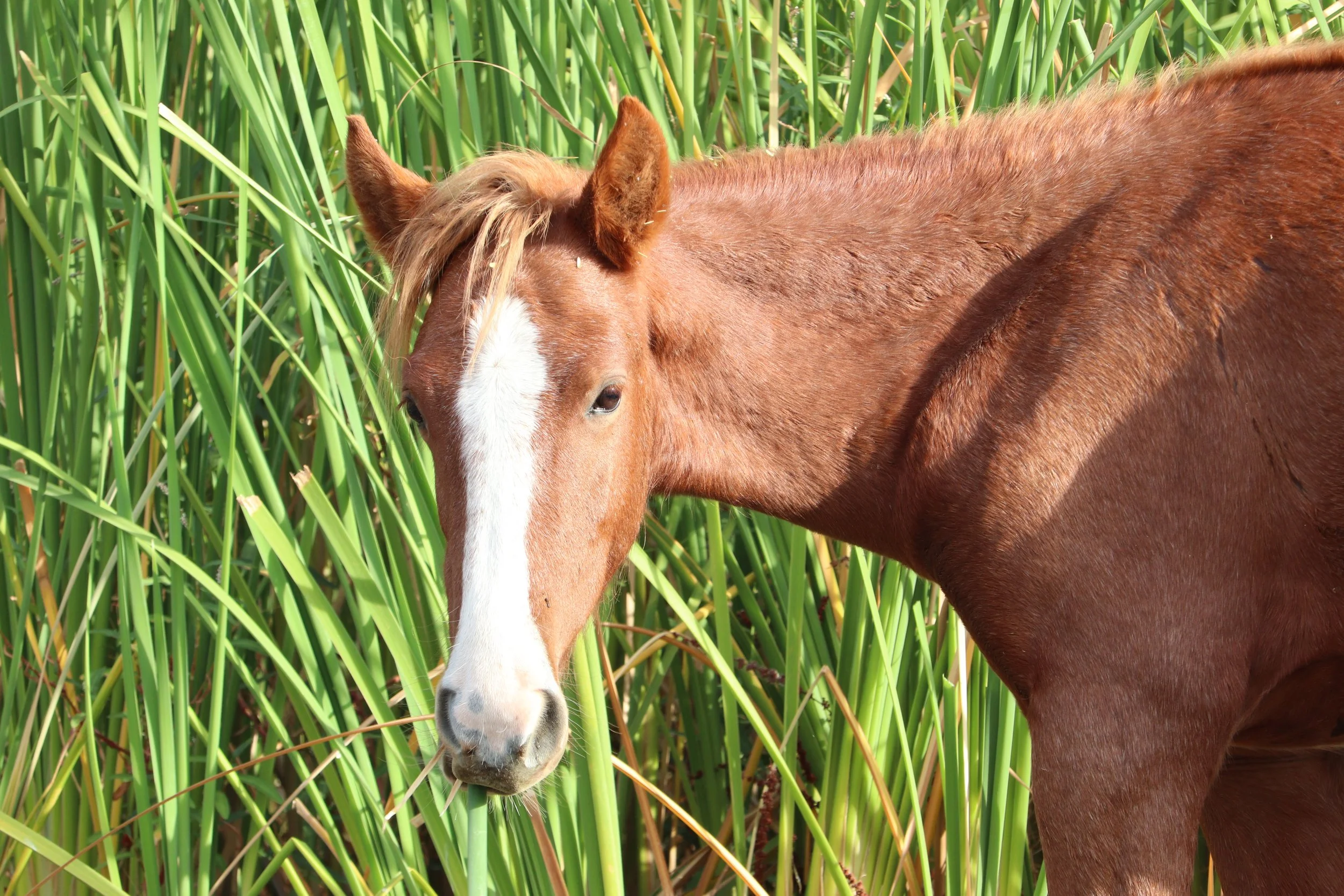
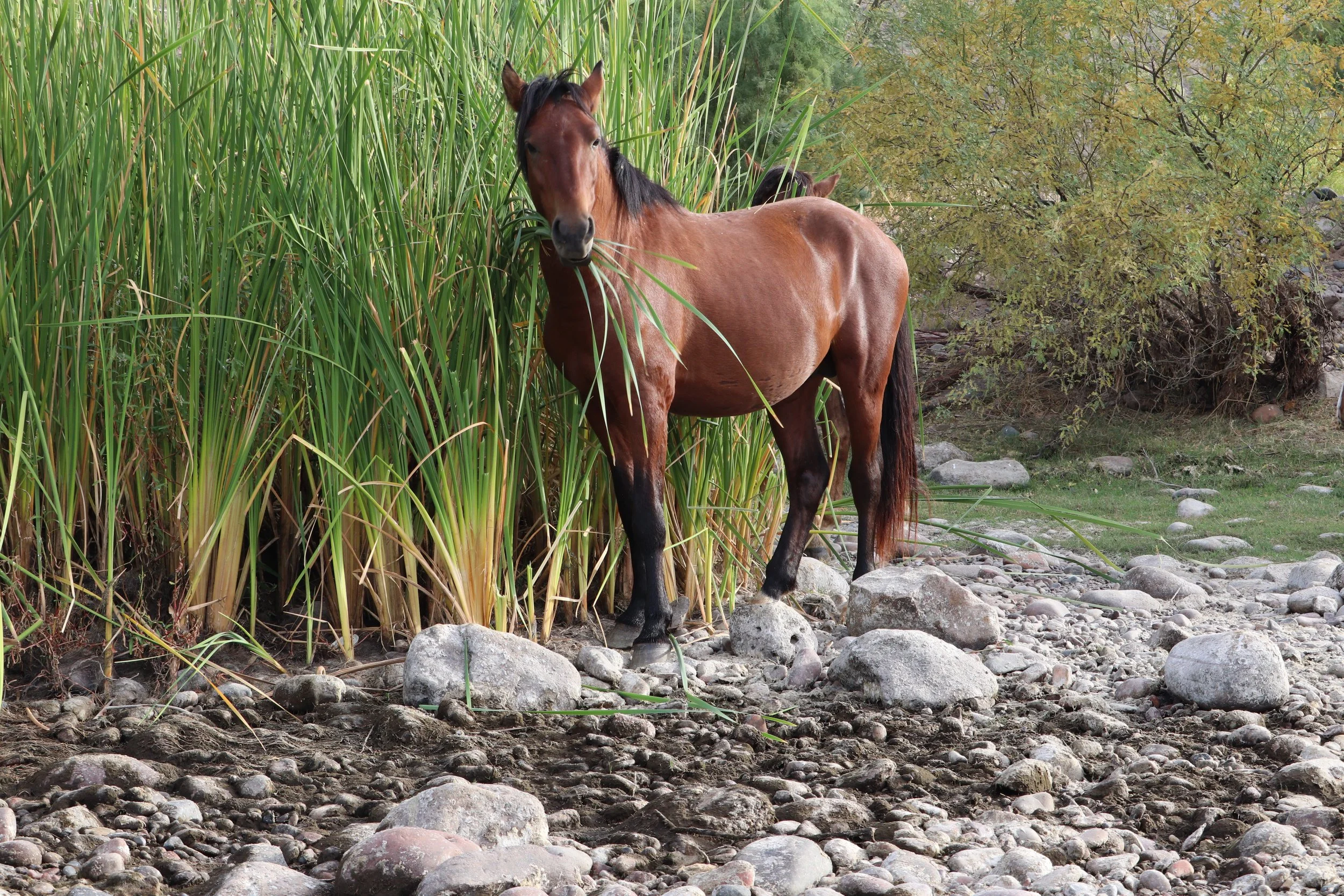
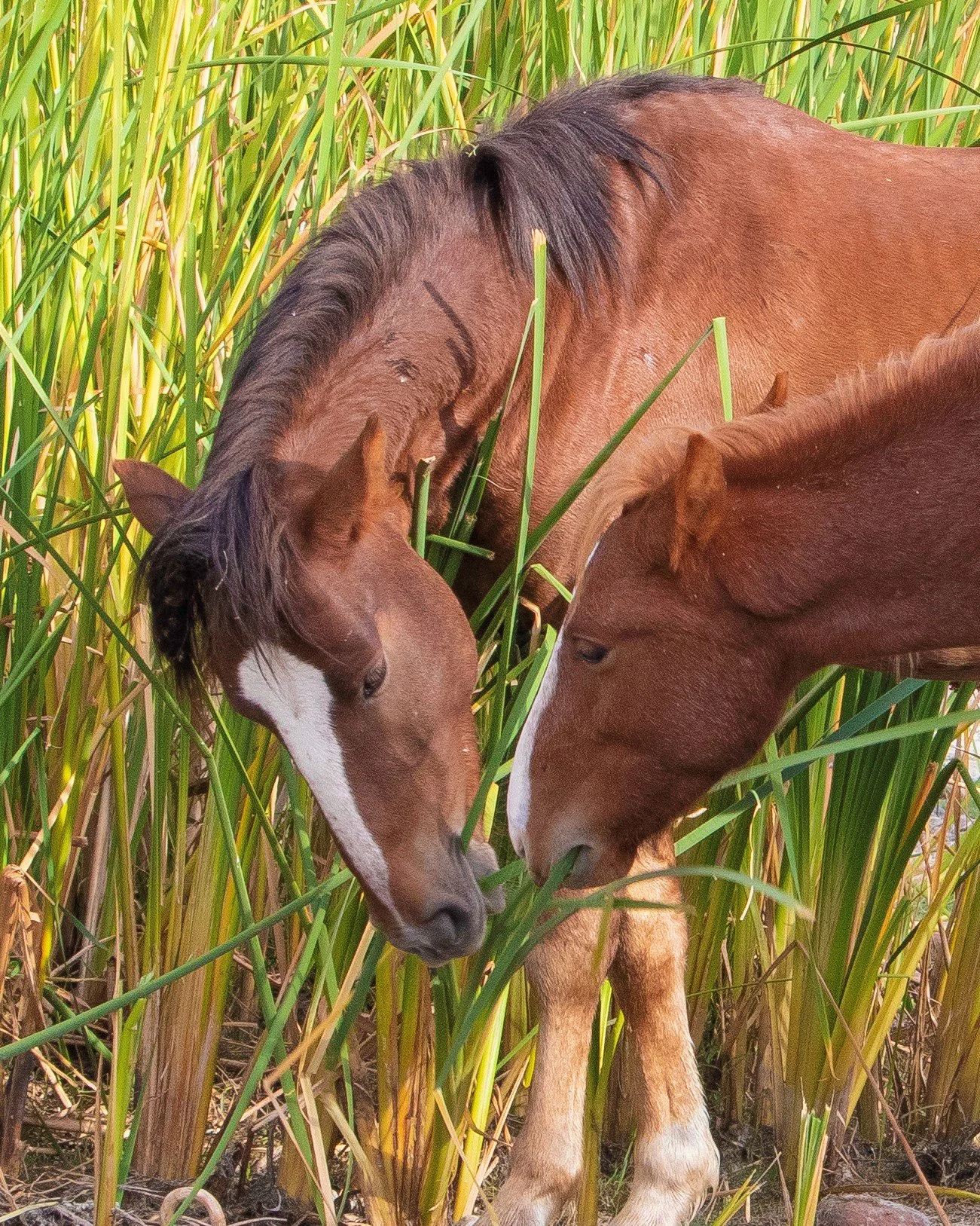
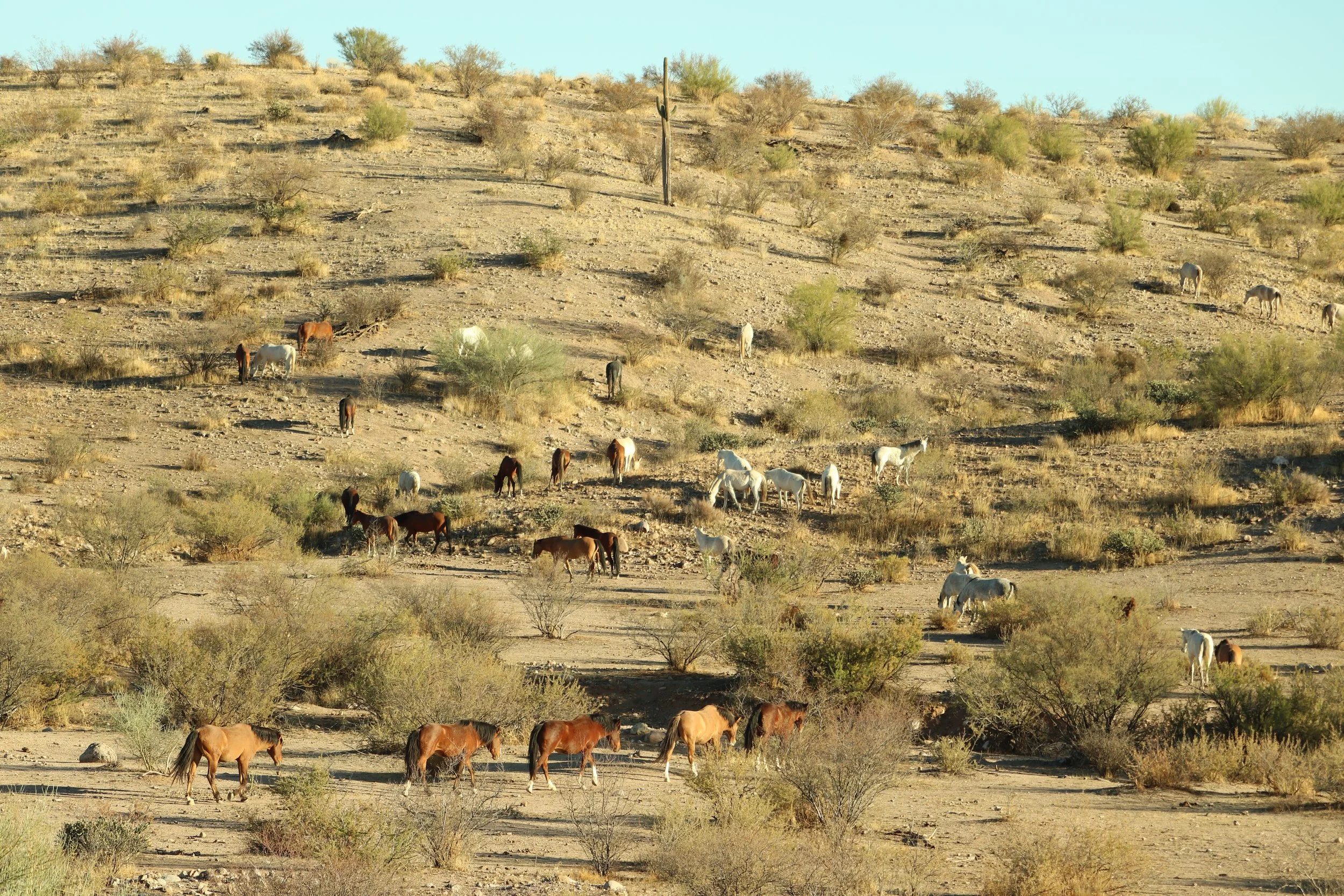
Salt River Horses
(pictured below)
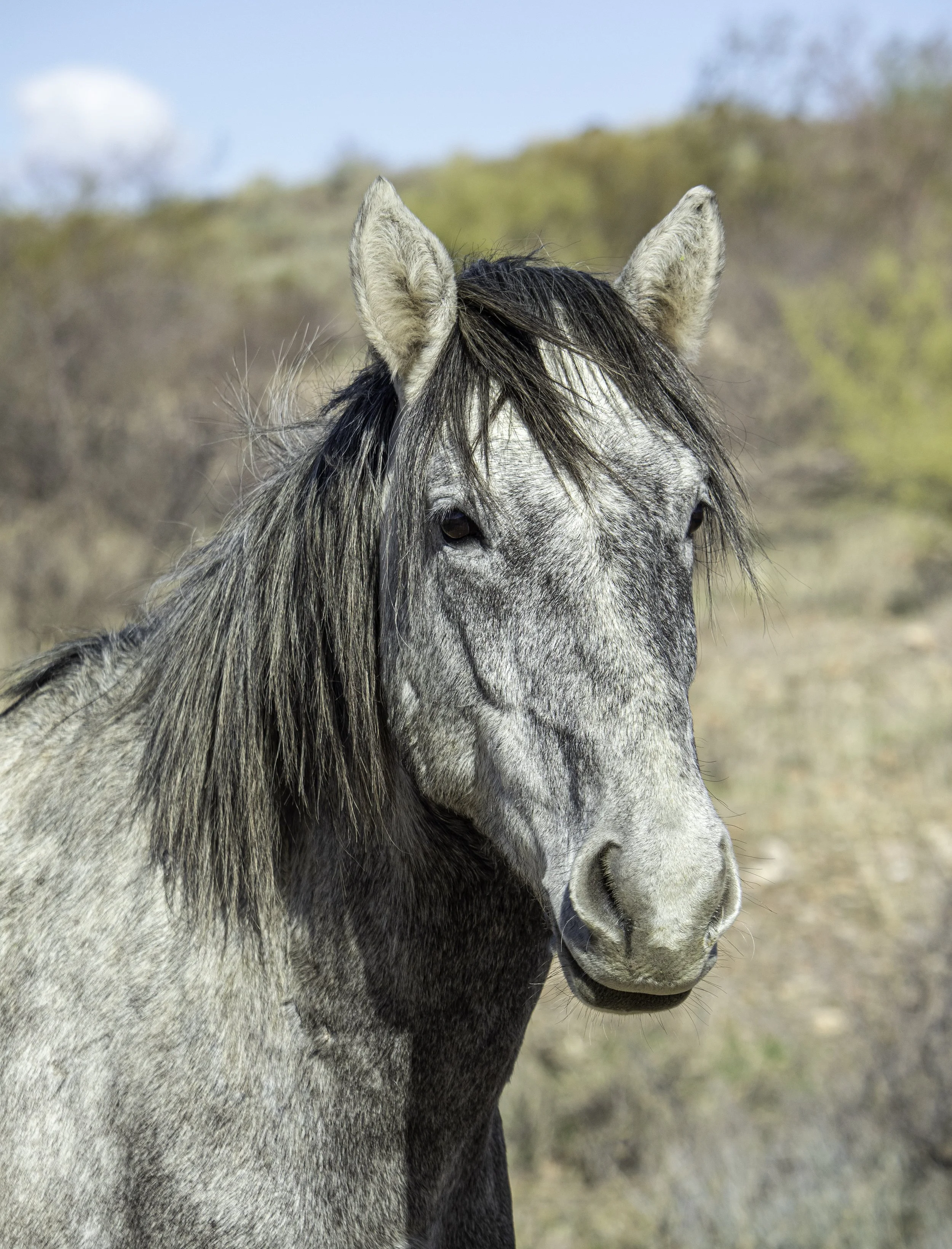
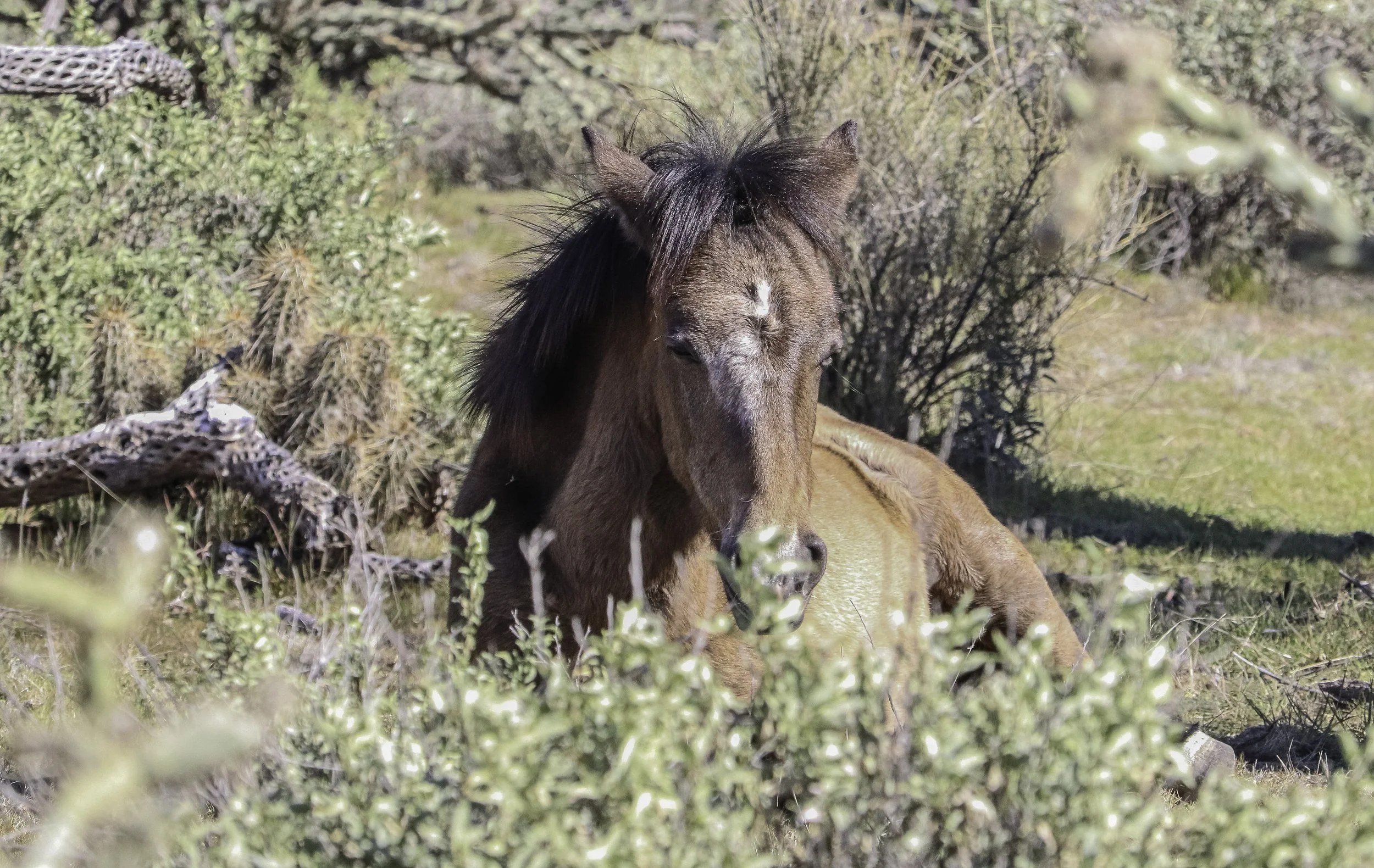
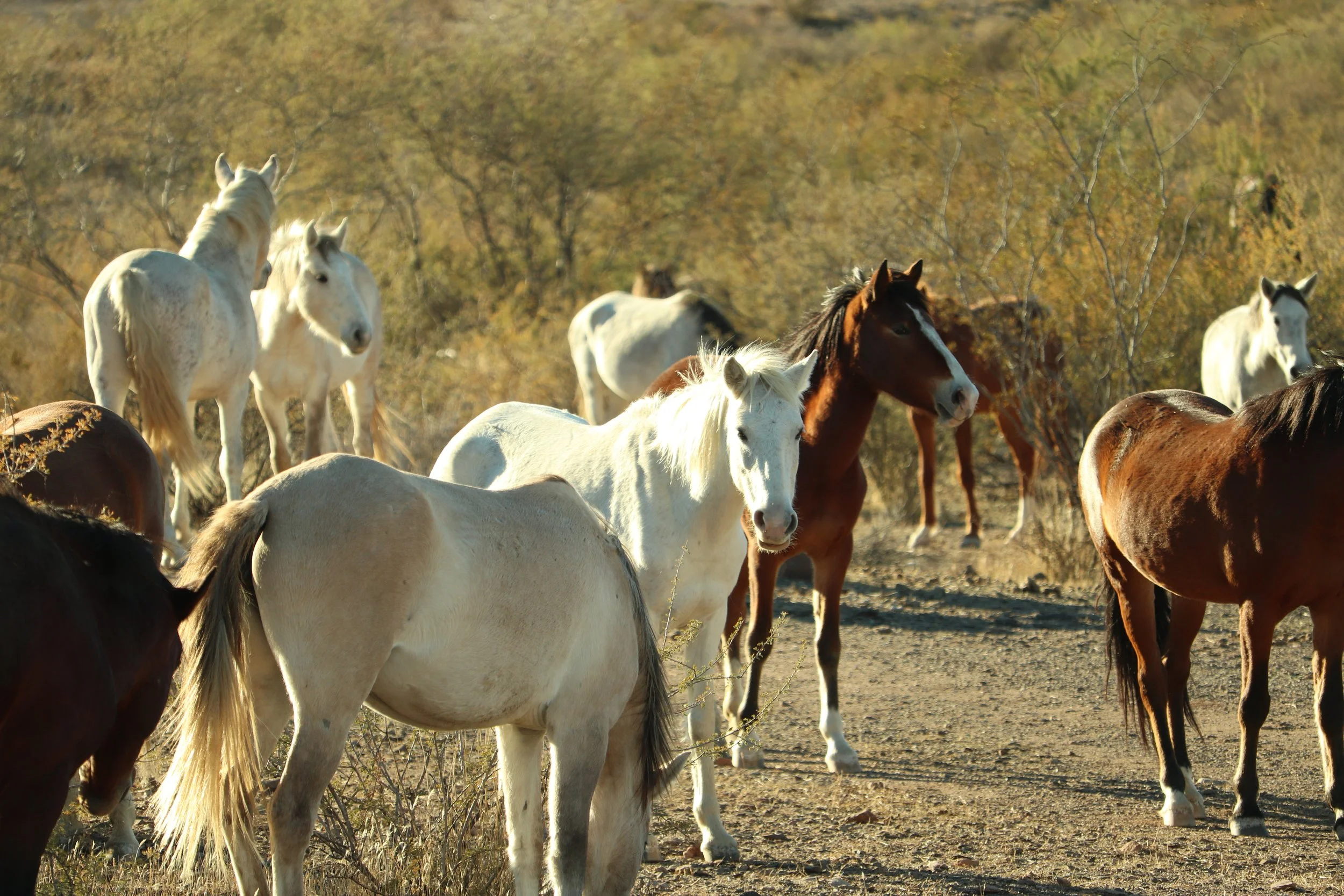
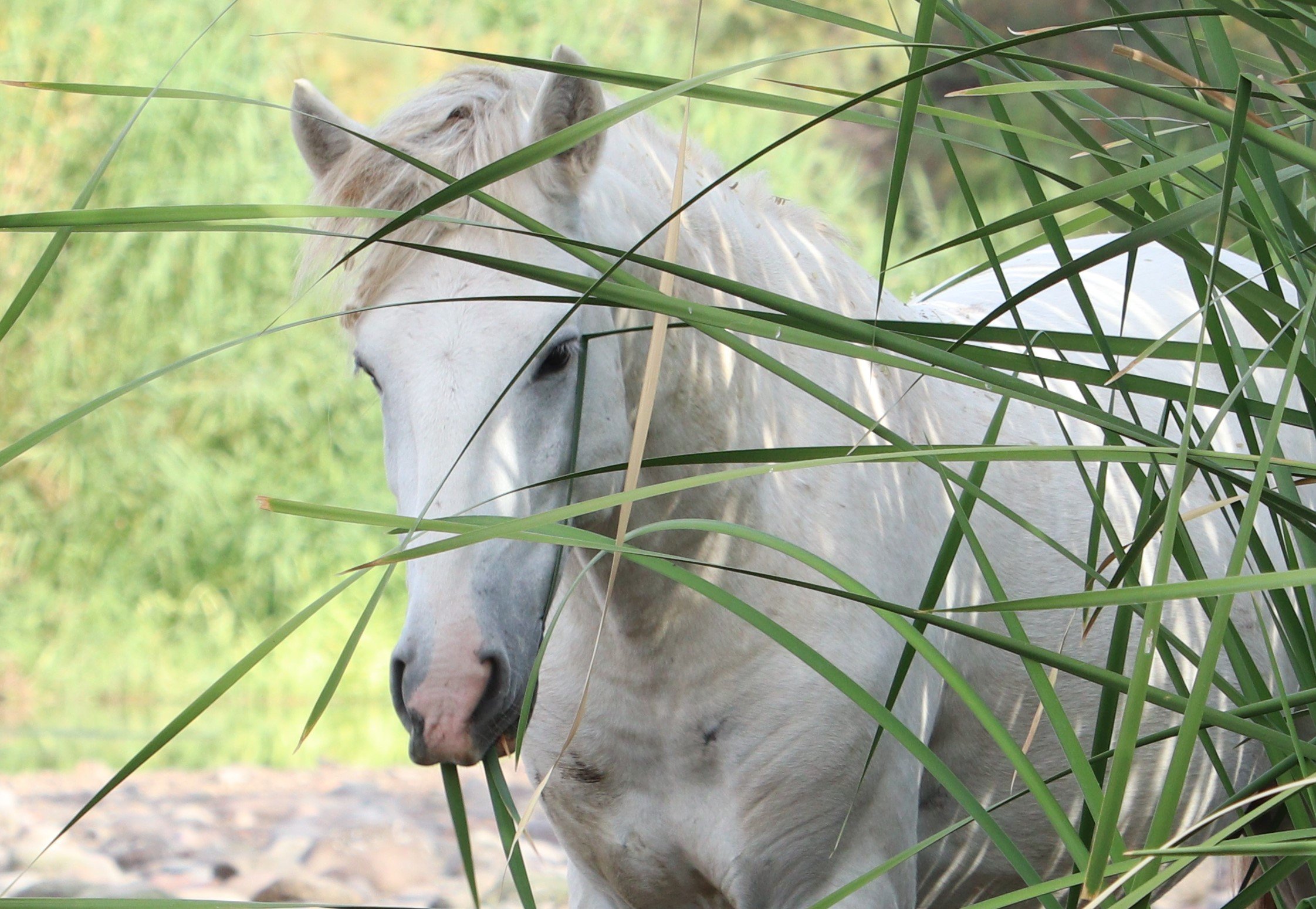
The Salt River horses are Arizona's most famous free-roaming horse population. They inhabit the Lower Salt River area within the Tonto National Forest east of Phoenix. These horses are frequently observed grazing along riverbanks, resting beneath cottonwood trees, and crossing the river in search of food and water.
The herd gained statewide attention in 2015 when concerns arose regarding potential removals from the river corridor. In response, Arizona enacted legislation protecting the Salt River horse herd and prohibiting unauthorized harassment, capture, injury, or removal of these animals. Today the herd is managed through cooperation between the Arizona Department of Agriculture and the Salt River Wild Horse Management Group, which uses fertility control and monitoring programs to maintain a sustainable population.
Cerbat Mountains Herd
The Cerbat Mountains herd occupies approximately 83,000 acres northwest of Kingman in northwestern Arizona. This herd is one of only two federally recognized wild horse herd areas in Arizona and is managed by the Bureau of Land Management.
The origin of the Cerbat horses remains uncertain. Some researchers believe they may descend from horses brought to the region by Spanish explorers centuries ago, while others suggest they originated from ranch horses that escaped or were released during Arizona's mining and ranching era. The herd is known for its relatively small size, hardy nature, and ability to thrive in rugged mountain terrain ranging from desert valleys to elevations approaching 7,000 feet.
Cibola-Trigo Herd Management Area
The Cibola-Trigo Herd Management Area is located in southwestern Arizona near the Colorado River. Covering approximately 179,000 acres, the area includes portions of the Trigo Mountains, desert valleys, washes, and riparian habitats associated with the Colorado River corridor.
The horse population within the Cibola-Trigo area is divided into two primary groups: the Gould Wash herd and the Castle Dome Wash herd. These horses display a wide variety of colors, sizes, and characteristics, reflecting generations of mixed ancestry. The availability of water from the Colorado River system allows horses to survive in an otherwise harsh desert environment. The region also supports desert bighorn sheep, mule deer, hundreds of bird species, reptiles, and other wildlife.
Navajo Nation and Monument Valley Horses
Northern Arizona contains large populations of free-roaming horses on lands belonging to the Navajo Nation. Among the most recognizable are the horses that roam the Monument Valley region, where they can often be seen against the backdrop of sandstone buttes and mesas.
Horses have played an important role in Navajo history and culture for generations. Many free-roaming horses continue to inhabit the vast landscapes of northeastern Arizona, moving across open rangelands and desert grasslands. While these horses are not managed under the same federal programs as Bureau of Land Management herds, they remain an important part of the cultural landscape and are frequently photographed by visitors exploring Monument Valley and surrounding areas.
Conservation and Management
Managing free-roaming horse populations presents unique challenges. Horses require water, forage, and habitat that must be shared with native wildlife and livestock. Land management agencies must balance ecological health with public interest in preserving these iconic animals.
Modern management programs often include population monitoring, fertility control, habitat assessments, and public education. These efforts seek to maintain healthy horse populations while protecting the ecosystems they inhabit. As Arizona continues to grow and develop, the future of its free-roaming horses will depend on cooperation between government agencies, tribal nations, conservation groups, and the public.
Heber Wild Horse Territory
Located within the Apache-Sitgreaves National Forests near Heber-Overgaard, the Heber Wild Horse Territory is Arizona's only federally designated wild horse territory managed by the U.S. Forest Service. Established under the Wild Free-Roaming Horses and Burros Act, the territory encompasses portions of Arizona's high-country forests and meadows along the Mogollon Rim.
Unlike the desert horse populations found elsewhere in Arizona, Heber horses live among ponderosa pine forests, mountain grasslands, and seasonal streams. Their habitat supports a variety of wildlife, including elk, mule deer, black bears, and numerous bird species. The Forest Service continues to evaluate management strategies designed to balance horse populations with available habitat and ecological conditions.
Other Free-Roaming Horse Populations
In addition to Arizona's major herds, smaller groups of free-roaming horses can occasionally be found throughout the state on tribal lands, remote ranchlands, and public lands. These populations vary in size and management status, and many do not receive formal designation as protected wild horse herds.
These horses reflect Arizona's long ranching history and the enduring connection between horses and the American Southwest. Whether encountered along a desert river, in a mountain meadow, or among the red-rock landscapes of northern Arizona, free-roaming horses continue to capture the imagination of residents and visitors alike.
Sources
• Bureau of Land Management – Arizona Herd Management Areas
• Bureau of Land Management – Cerbat Mountains Herd Management Area
• Bureau of Land Management – Cibola-Trigo Herd Management Area
• U.S. Forest Service – Heber Wild Horse Territory
• Arizona Revised Statutes § 3-1491 (Salt River Horse Herd Protection)