
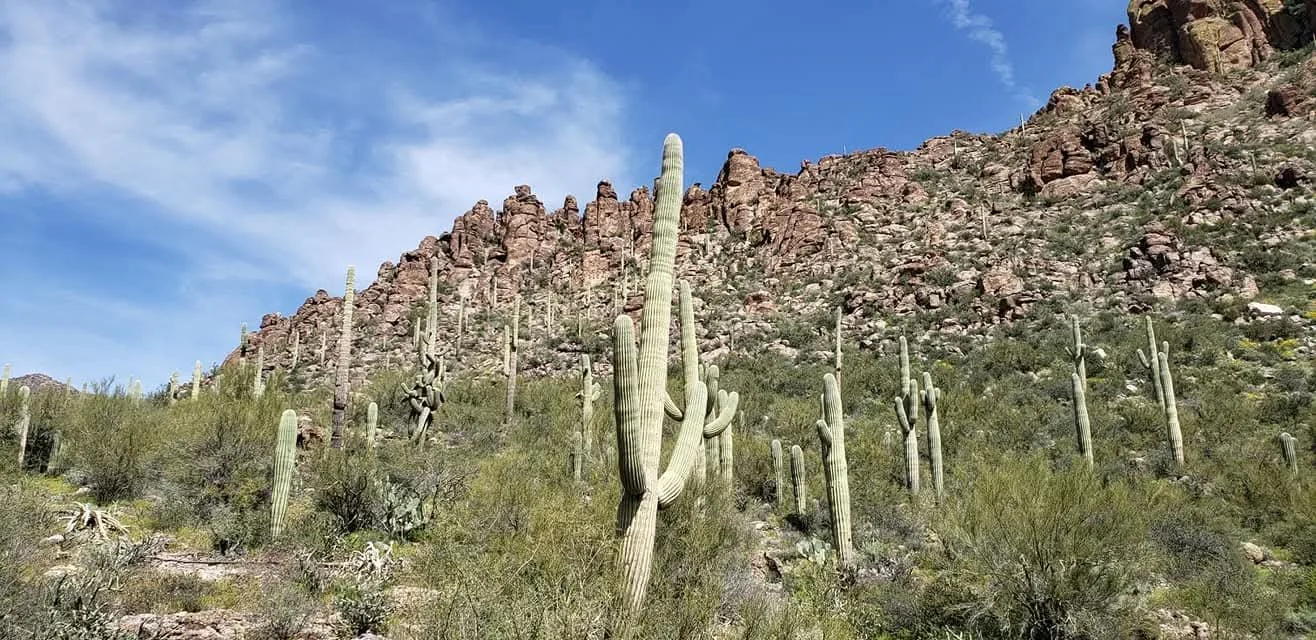
Arizona’s Sonoran Desert features a diverse array of cacti, most famously the towering, long-lived Saguaro, which is exclusive to this region. Other common, distinctive species include various chollas, prickly pears, barrel cacti, and hedgehog cacti, all adapted to arid conditions and featuring vibrant spring blooms. While Arizona is home to over 50 species of cacti, the ones listed below are just a fraction of them.
Iconic Cacti of Arizona
Saguaro (Carnegiea gigantea): The largest cactus in the US, known for its arms and white, night-blooming flowers.
Organ Pipe Cactus(Stenocereus thurberi): Features multiple arms reaching up from the base, similar to an organ.
Teddy Bear Cholla (Cylindropuntia bigelovii): Appears fuzzy due to dense spines but is notorious for "jumping" and hooking onto passersby.
Barrel Cactus (Ferocactus cylindraceus): A squat, round, or cylinder-shaped cactus often featuring thick, colorful, hooked spines.
Prickly Pear (Opuntia spp.): Known for flat, rounded pads and edible, colorful fruit (tunas).
Ocotillo(Fouquieria splendens): Not a true cactus but a woody plant with long, spiny, whip-like canes that grow leaves after rain.
Common Cholla Species
Pencil Cholla (Cylindropuntia ramosissima): Very thin, slender stems.
Christmas Cholla(Opuntia leptocaulis): Known for its red berries that appear in winter.
Staghorn Cholla(Opuntia versicolor): Known for its purple-tinged branches.
Hedgehog and Small Cacti
Arizona Hedgehog(Echinocereus coccineus): Forms small clumps and bears bright pink or red, cup-shaped flowers.
Arizona Fishhook Cactus (Mammillaria grahamii): Small, barrel-shaped with hooked, fishhook-like spines.
Pancake Prickly Pear(Opuntia chlorotica): A prickly pear with a distinct trunk and upright pads.
Key Habitats & Features
Flowering Season: Most cacti in Arizona bloom in late spring and early summer.
Elevation: Saguaro cacti are typically found below 4,500 feet, as they are sensitive to hard freezes.
Adaptation: Many cacti, such as the saguaro, have pleated skins that expand to store water, which helps them thrive in arid environments.
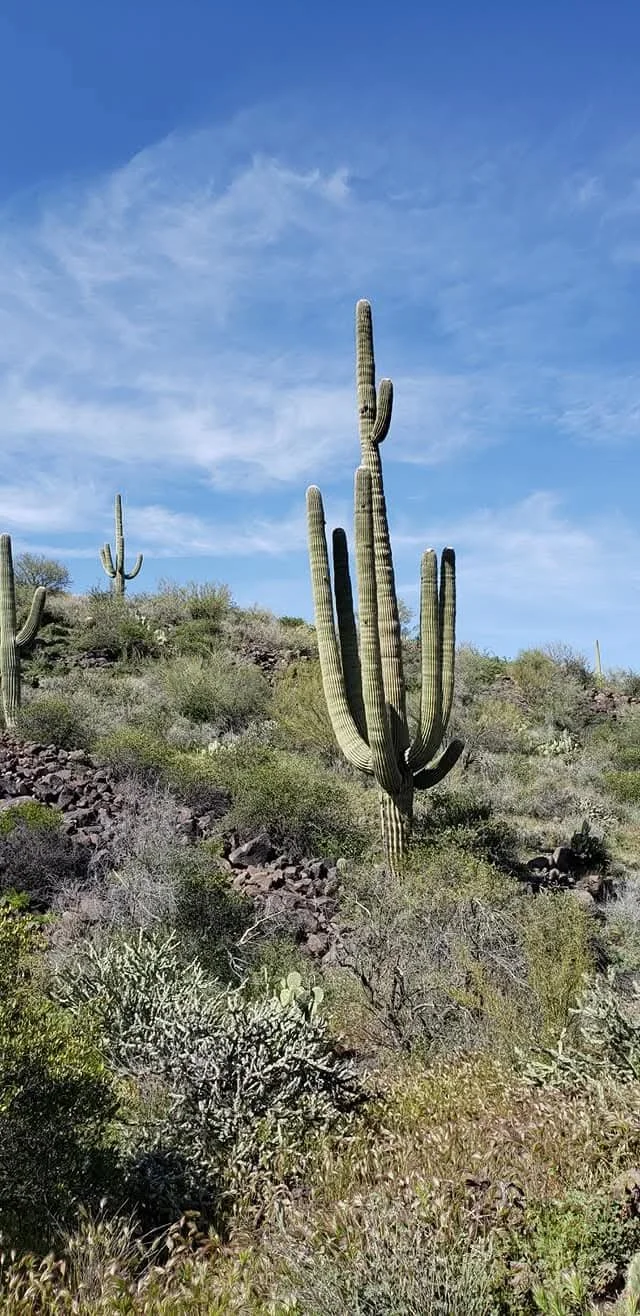
Saguaro
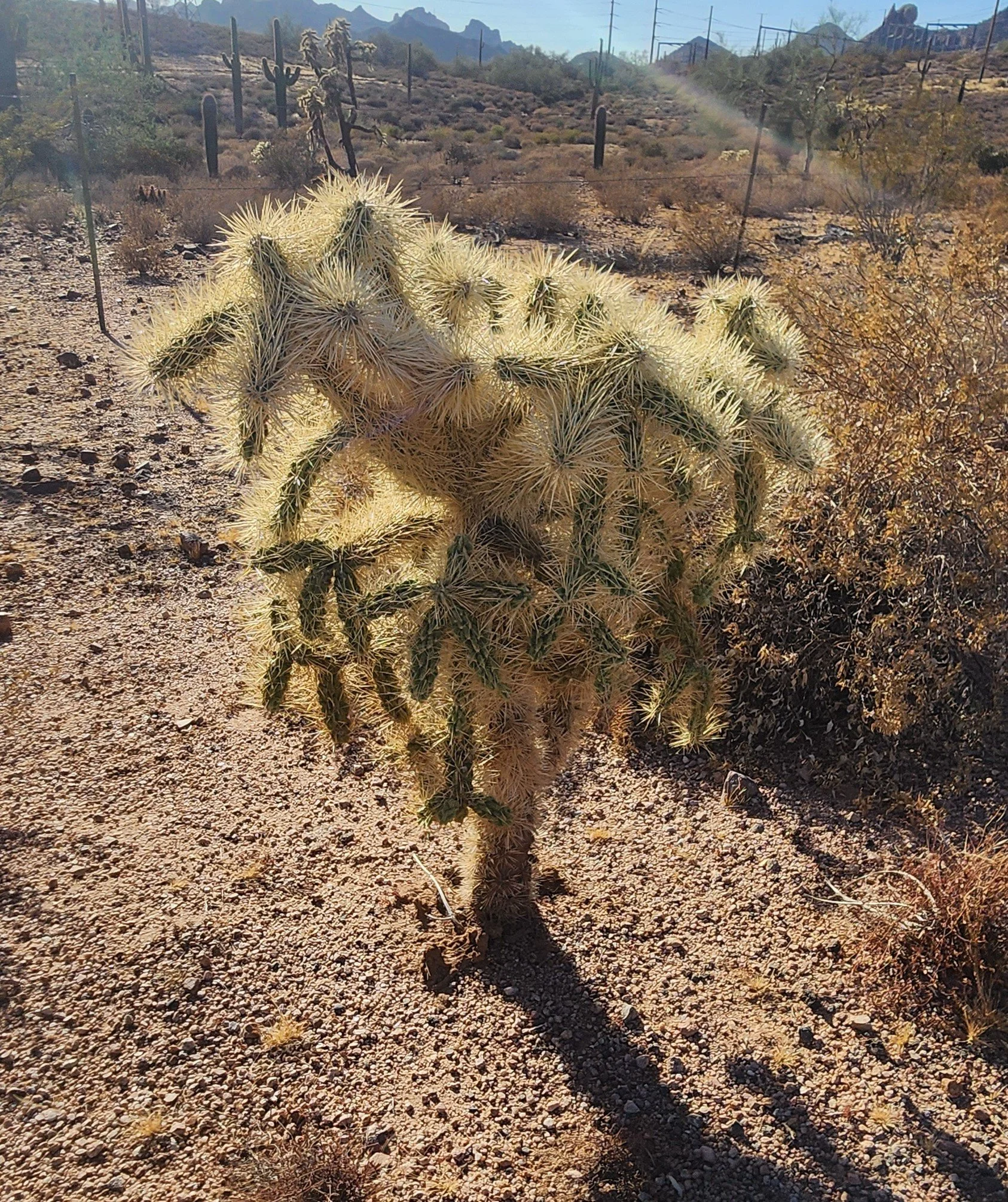
Teddy Bear Cholla
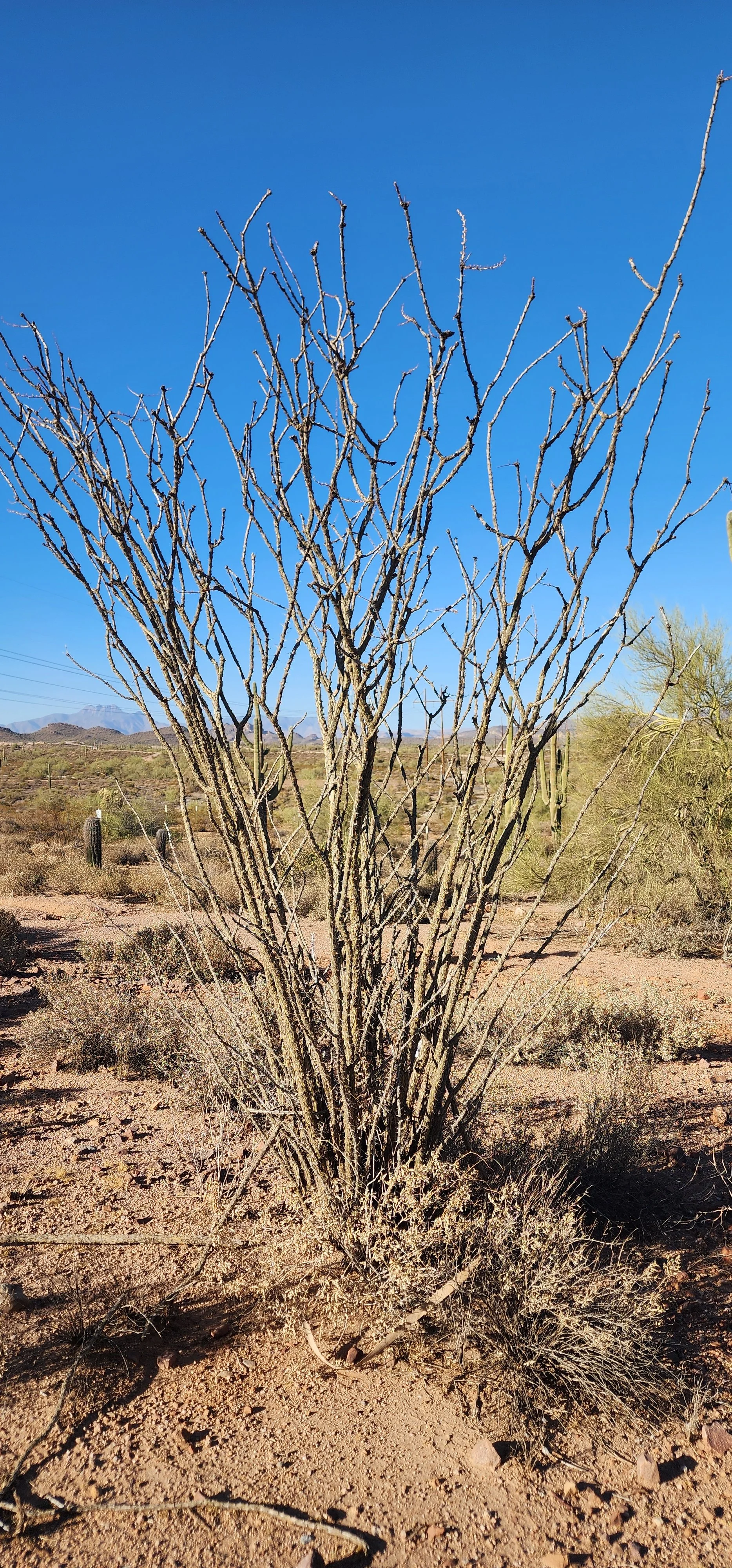
Ocotillo
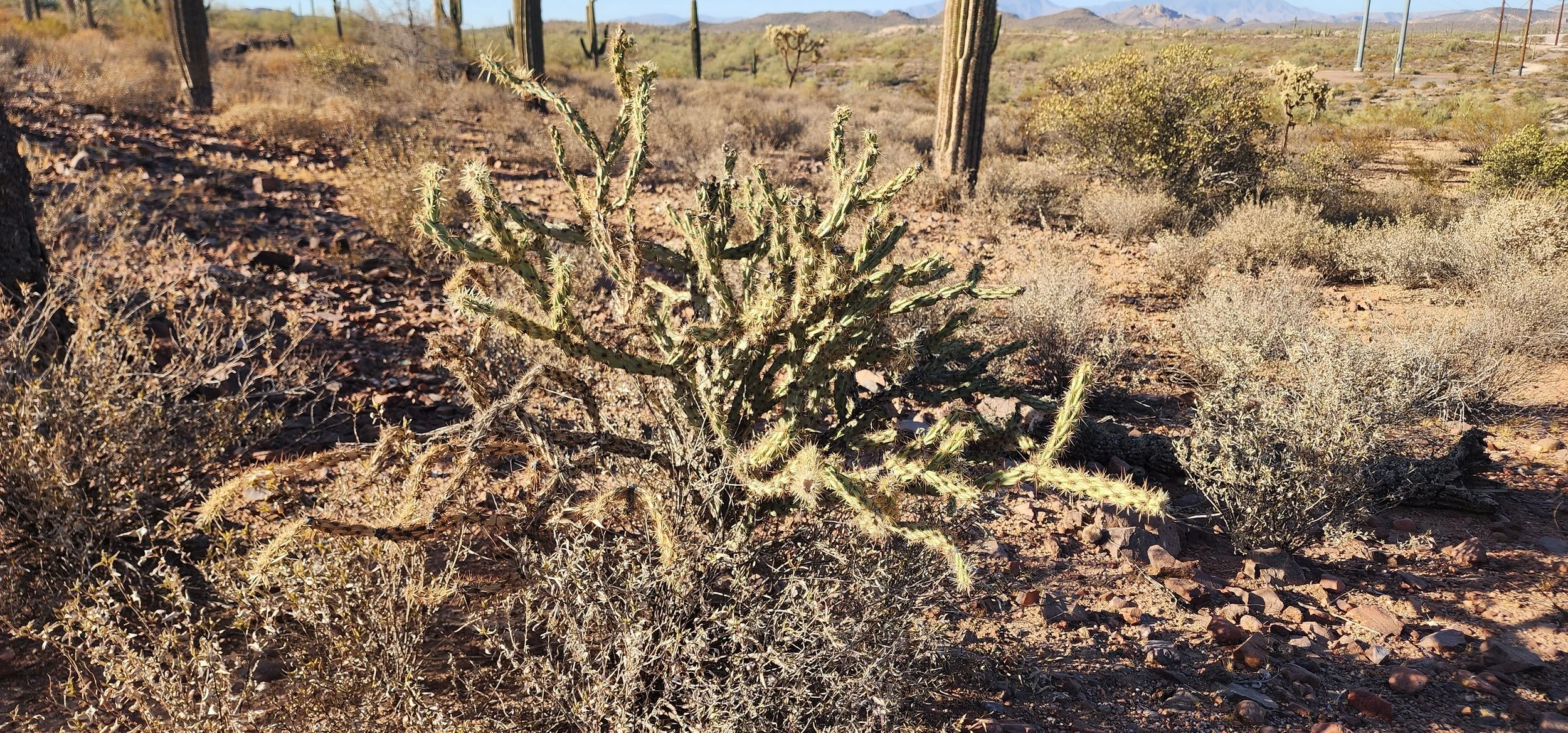
Pencil cholla
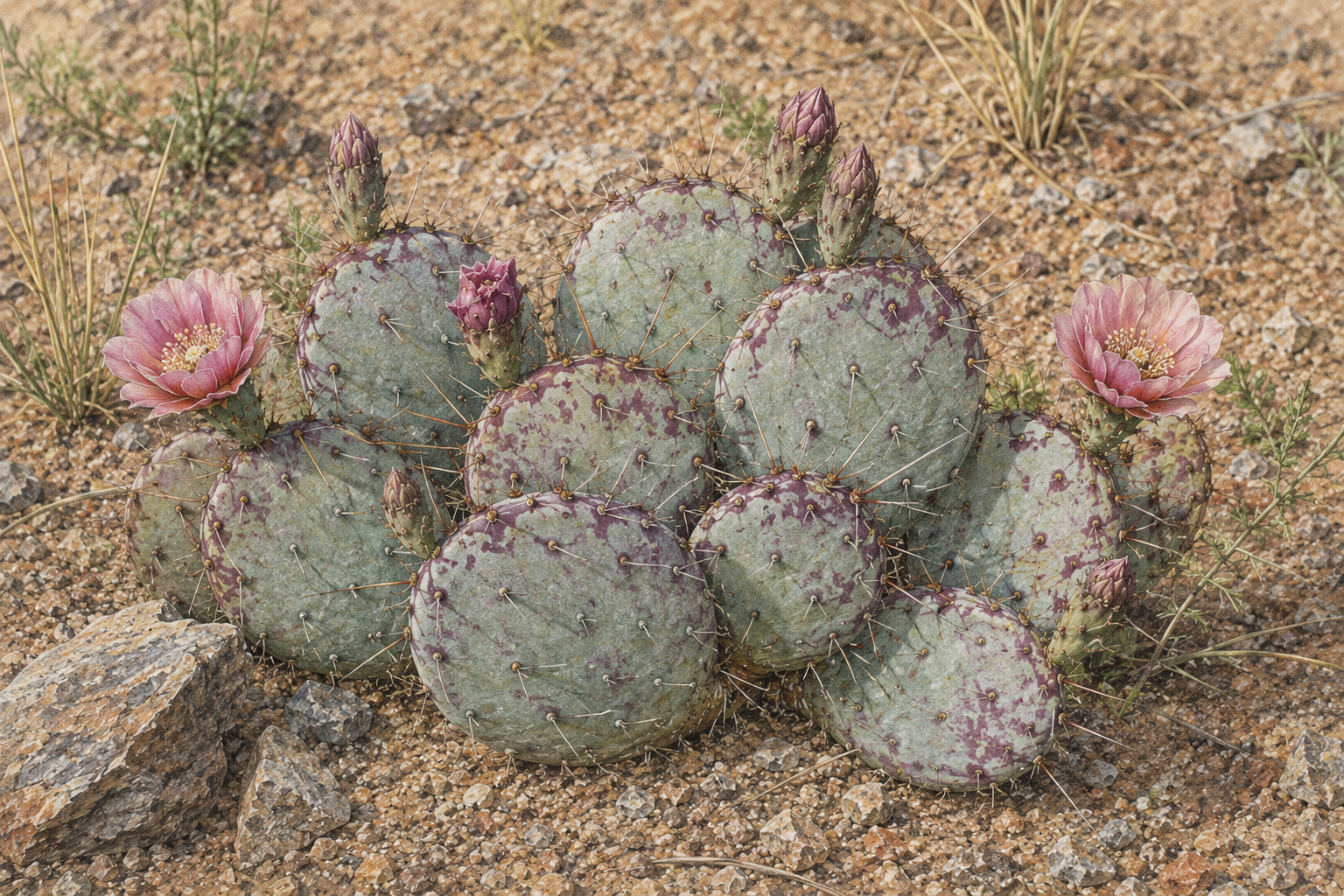
Pancake Prickly Pear
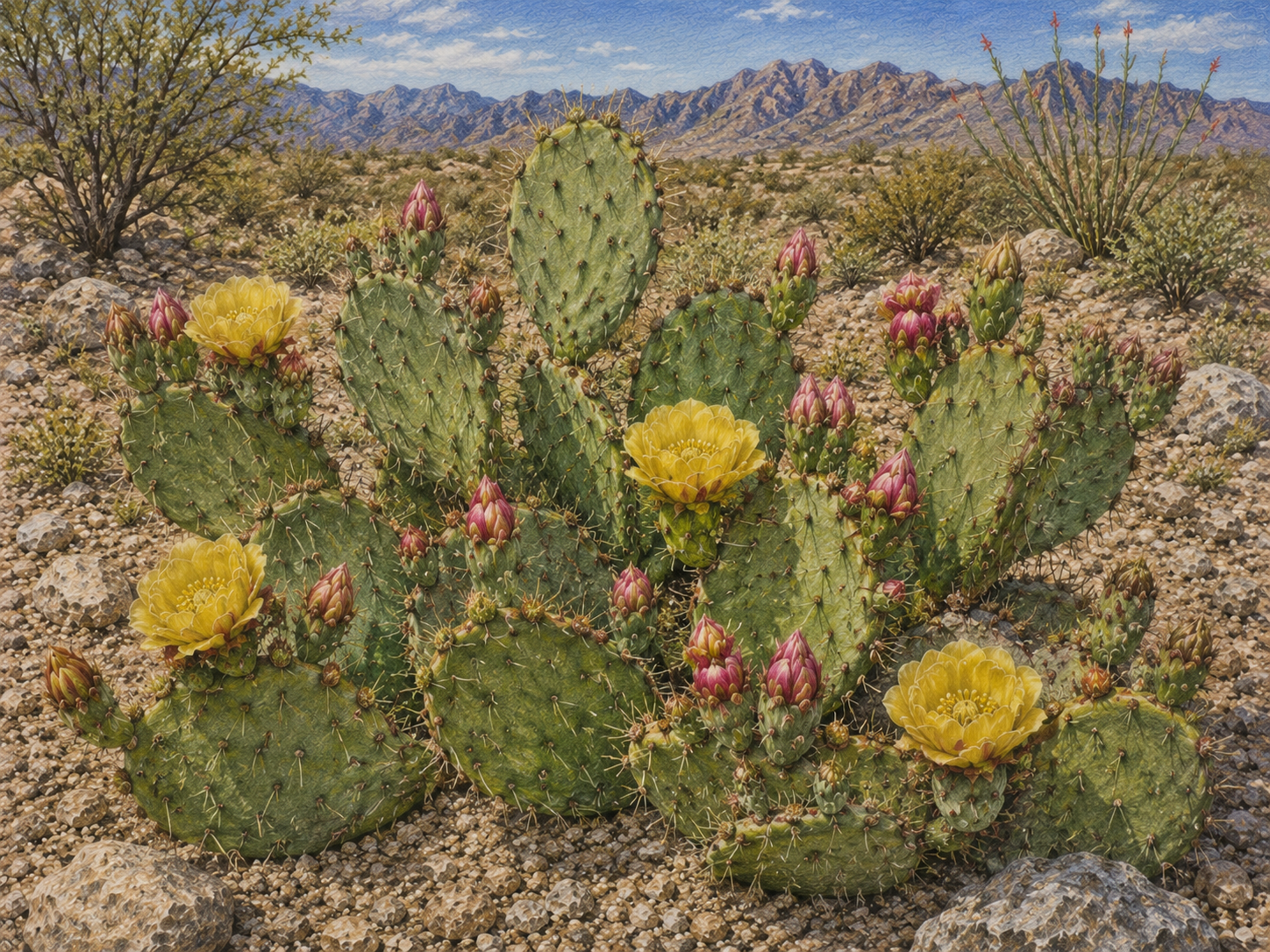
Prickly Pear
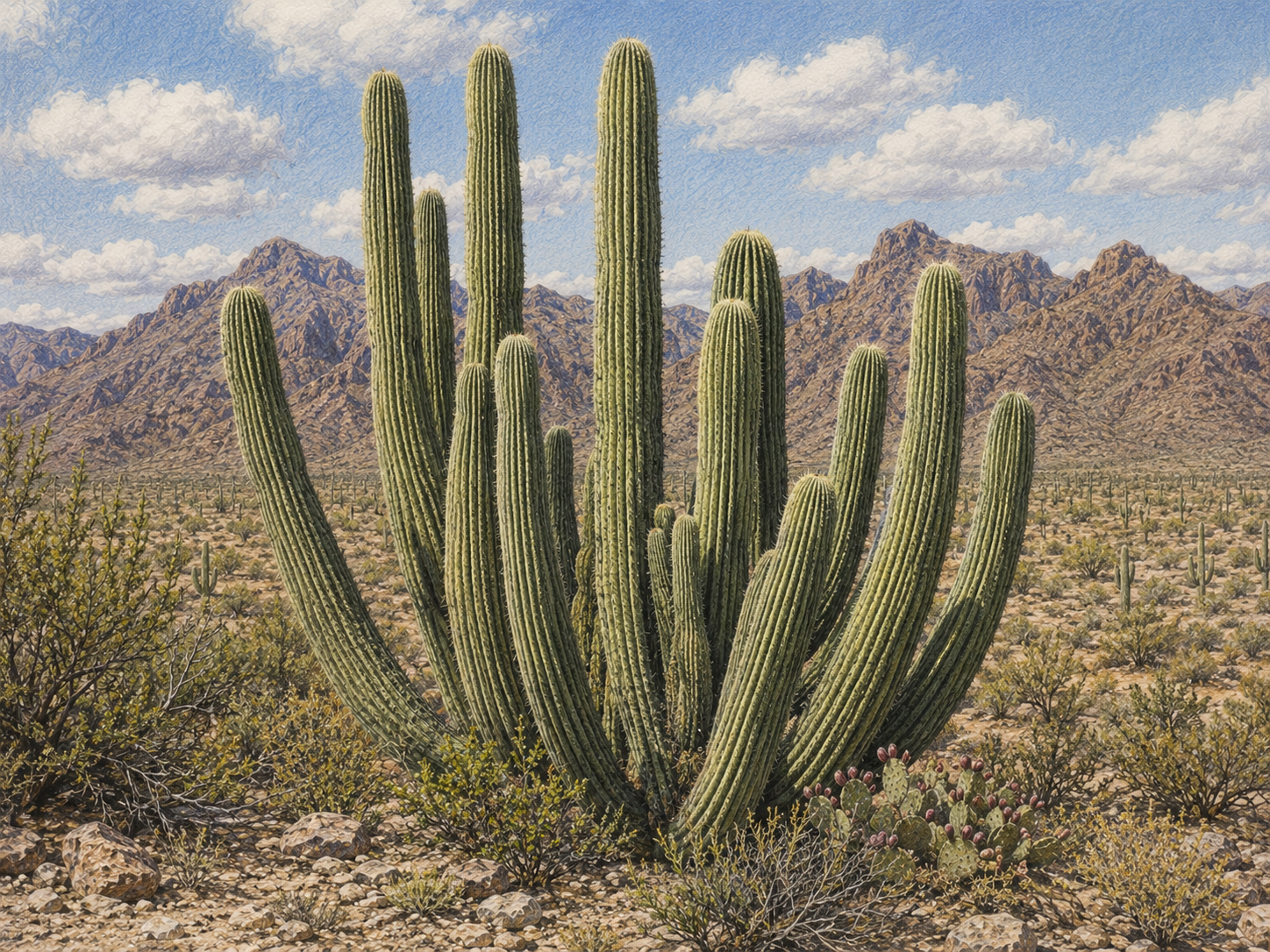
Organ pipe cactus
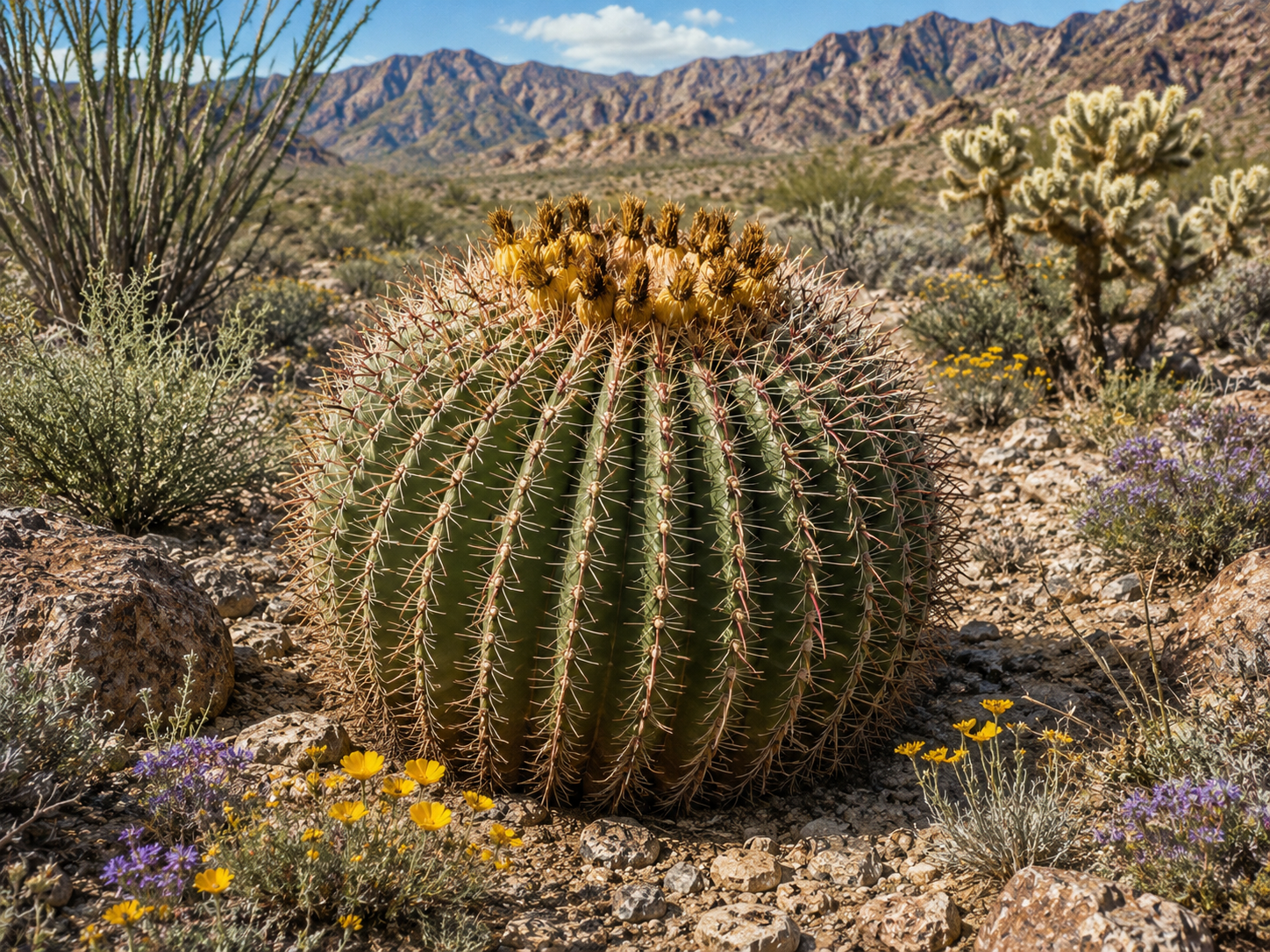
Barrel cactus
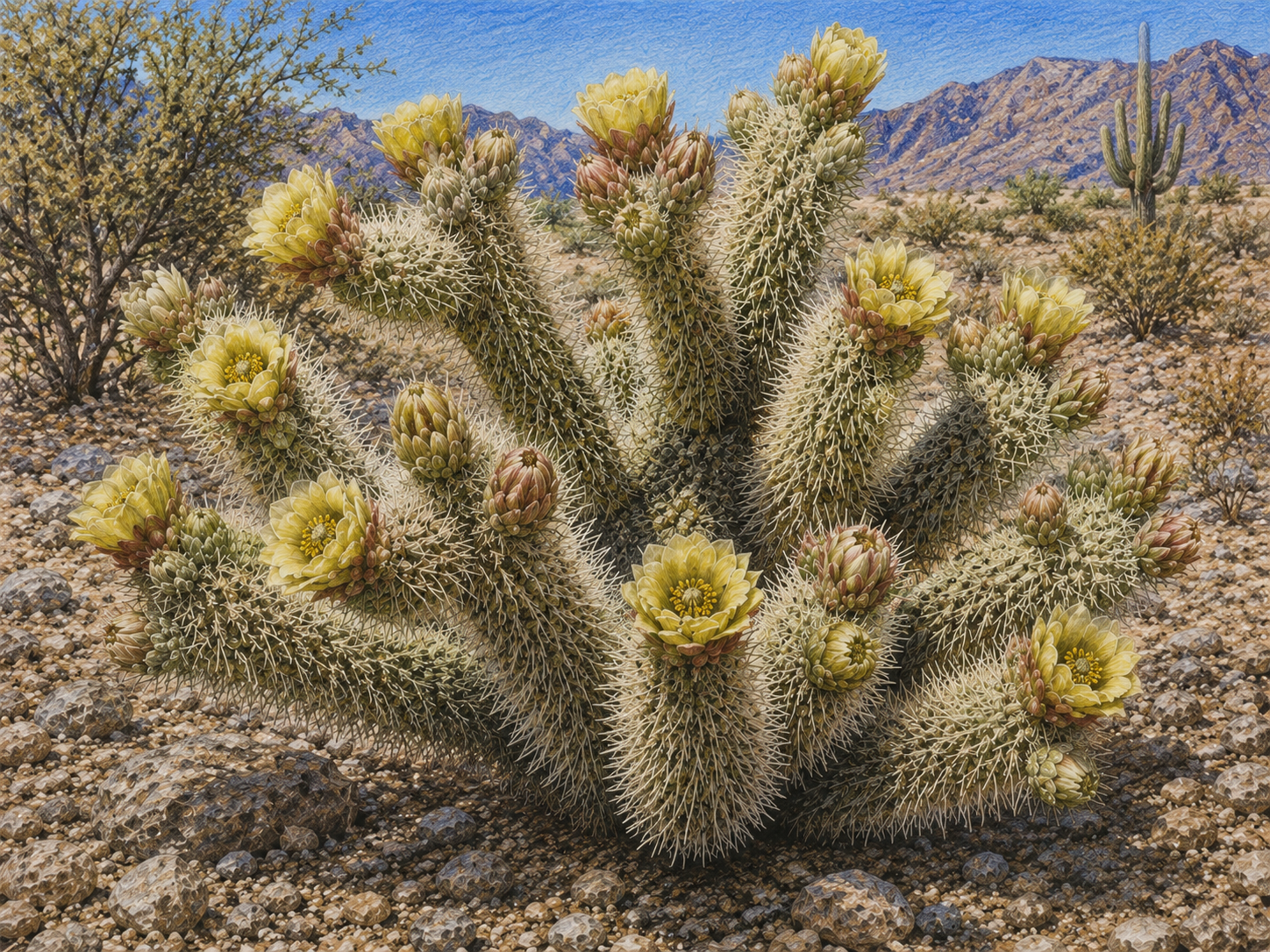
Christmas Cholla
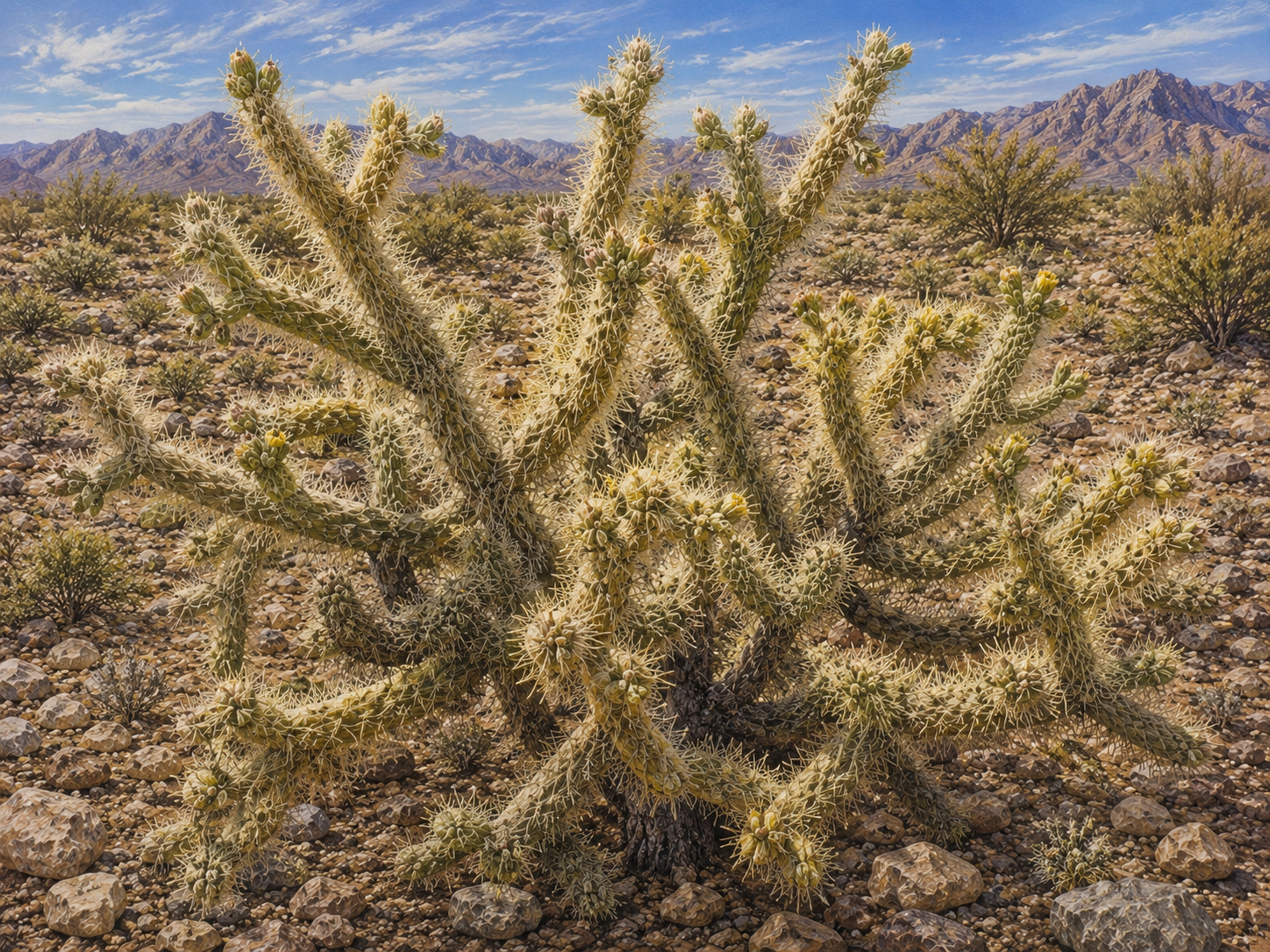
Staghorn Cholla
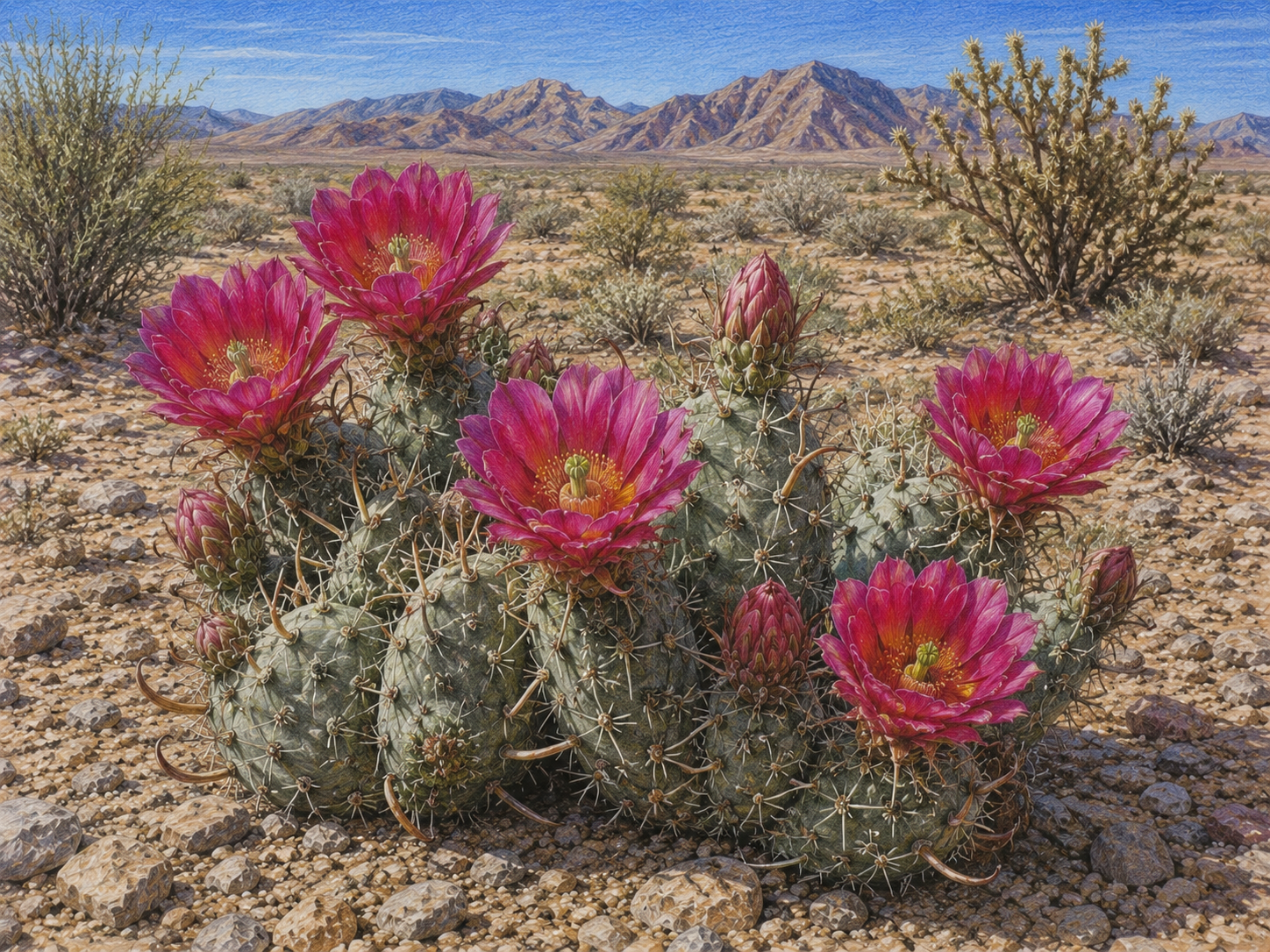
Arizona Fishhook cactus
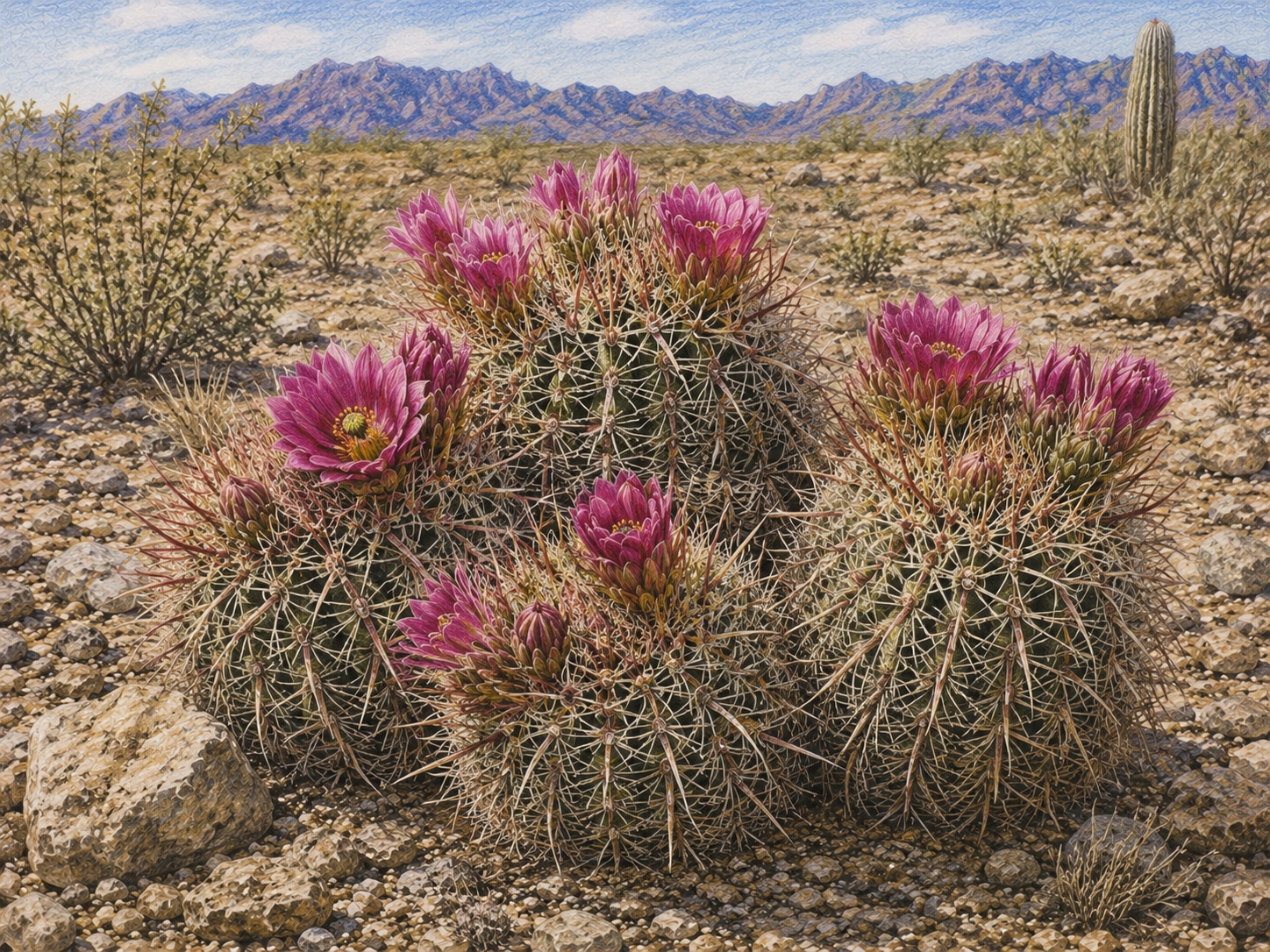
Arizona Hedgehog Cactus